




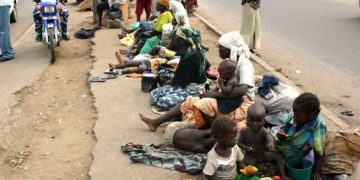















These same opposition politicians will decamp to the APC if this administration wins the next election. They are shameless, and their words would not hold water even in a sealed container. Nigerians must awaken. For too long, we have been lulled into complacency, we have been lulled into silence by the sweet talk of empty promises. Each election cycle, the same chorus resounds: a “life of bliss,” electricity flowing endlessly like rivers, and poverty vanquished overnight. Yet once the ballot boxes are sealed, these politicians retreat into their mansions, leaving the people in darkness and hunger.
They leap from party to party like acrobats, not for principle but for profit, while hunger chains the masses to desperation, making them easy prey for crumbs disguised as generosity. This is not governance; it is deception dressed as democracy. The spectacle of defection and opportunism has become a ritual, eroding public trust and mocking the very essence of leadership. What should be a contest of ideas has been reduced to a scramble for power and privilege.
Nigeria’s citizens, weary of recycled promises, must confront the reality that democracy cannot thrive on rhetoric alone. It demands accountability, consistency, and a genuine commitment to the people. Until the electorate insists on integrity over theatrics, the cycle of betrayal will continue, and the nation will remain trapped in a loop of dashed hopes and squandered opportunities.
The time has come for Nigerians to rise above the distractions of political acrobatics and demand governance that serves the people rather than the politicians. Silence is complicity, and complicity is the lifeblood of deception. If democracy is to mean more than a ballot box ritual, then the people must awaken to their power and reclaim it from those who have long abused it.
On April 8, 2026, the streets of Abuja were filled with familiar political figures, including Atiku Abubakar, Peter Obi, Rabiu Kwankwaso, David Mark, Rotimi Amaechi, and Rauf Aregbesola. They marched under the banner of defending democracy, with concerns raised about the role and independence of the Independent National Electoral Commission. However, their presence has also prompted questions among Nigerians about motive and sincerity.
Many citizens have asked where these voices were during periods of heightened hardship marked by rising inflation, insecurity, high fuel prices, challenges in the education sector, and unemployment. During the End SARS protests of 2020, Nigerian youths led nationwide demonstrations against police brutality, with significant risks and consequences. Many political elites were not visibly aligned with those grassroots demands at the time.
Several of the politicians present at the protest have previously held positions as governors, ministers, or senior political actors at the federal level. Their records in office are now part of public debate, with citizens increasingly evaluating the extent to which their leadership addressed structural challenges or improved living conditions. This scrutiny is shaping public perception of their current political engagements.
Statements made during the protest have also drawn attention. Reports indicate that Rotimi Amaechi criticized the current administration and urged Nigerians to support political change in future elections. While such statements are part of democratic expression, they have also reinforced skepticism among some observers who view the protest as politically strategic, especially in the context of the 2027 elections.
At the same time, Nigeria continues to face serious security challenges. In parts of Borno State, there have been ongoing attacks attributed to Boko Haram and ISWAP, reflecting the persistent insurgency in the North East. While reports of specific incidents and casualties often emerge, details in conflict zones can vary and are sometimes difficult to independently verify in real time. Nonetheless, the broader security concerns in the region remain well documented.
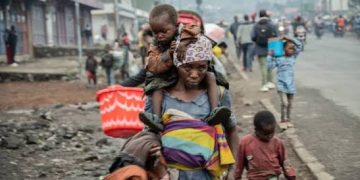
In Katsina State and other parts of the North West, banditry continues to affect rural communities. There have been reports of attacks, displacement, and extortion, including demands for livestock or money from residents. These developments have contributed to humanitarian concerns, with many families forced to flee their homes due to insecurity.
These realities present a stark contrast. While political actors mobilize in Abuja around democratic concerns, many Nigerians continue to face insecurity, economic hardship, and displacement. This disconnect has deepened public skepticism and intensified calls for accountable and people-centered governance.
The protest against the electoral body may reflect legitimate concerns about electoral integrity, which remains an important pillar of democracy. However, public trust cannot be built on protests alone. In a political environment where alliances shift and interests evolve, credibility is increasingly tied to consistency, transparency, and measurable impact.
Ultimately, many Nigerians now view such political movements through a more critical lens. Rather than relying solely on rhetoric, citizens are demanding evidence of commitment to national development and public welfare. In today’s political climate, credibility is earned through sustained action and accountability, not selective outrage or last-minute activism.
Daniel Nduka Okonkwo is a Nigerian investigative journalist, publisher of Profiles International Human Rights Advocate, and policy analyst whose work focuses on governance, institutional accountability, and political power. He is also a human rights advocate. His reporting and analysis have appeared in Sahara Reporters, African Defence Forum, Daily Intel Newspapers, Opinion Nigeria, African Angle, and other international media platforms. He writes from Nigeria and can be reached at dan.okonkwo.73@gmail.com.