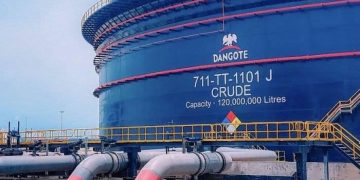



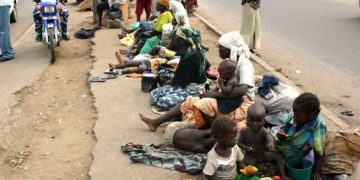
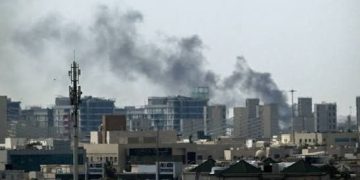






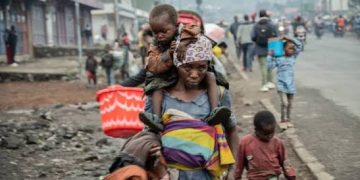


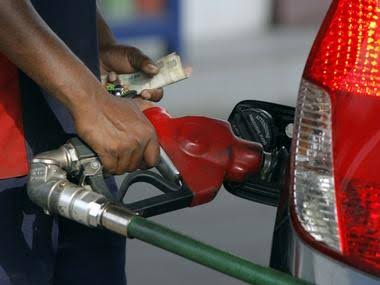
The ongoing war in Iran is sending shockwaves through the global economy, with energy prices soaring and inflation biting hard. Citizens worldwide are feeling the pinch, struggling to cope with rising costs of living. Nigeria, in particular, has been hit hard: petrol prices have surged from ₦820 to ₦1,400 per litre, driving up transportation costs and compounding the daily struggles of ordinary Nigerians.
Yet, the Nigerian state has shown little readiness to intervene. Instead of cushioning citizens from these impacts, the government offers excuses, claiming helplessness while leaving the populace to bear the brunt.
Contrast this with actions in other countries. In Spain, the government rolled out a €5 billion package through a Royal Decree-Law, reducing VAT on all energy forms from 21% to 10%, capping butane prices, and offering rebates for hauliers, farmers, and fishers. Spain also released 11.5 million barrels of oil from strategic reserves to stabilize markets.
Germany, facing petrol prices rising nearly 18% in two weeks, regulated petrol station pricing and restricted gas purchases from Russia, though it avoided direct subsidies. Italy planned to redirect extra VAT revenue from fuel to consumers and penalize companies exploiting the crisis. Portugal temporarily reduced diesel taxes and returned extra VAT revenue to taxpayers, while Hungary capped petrol and diesel prices for domestic vehicles to prevent cross-border price arbitrage.
Other countries took varied approaches: France relied on corporate action (TotalEnergies capped fuel prices) and diplomatic efforts, Austria limited price increases to three times a week, and Poland adopted a cautious approach, prioritizing market stability. Across the EU, energy commissioner Dan Jørgensen has emphasized targeted, time-bound emergency measures to protect citizens while supporting the clean energy transition.
From no support at all in some countries to more than €5 billion in aid in Spain, governments worldwide are taking concrete steps to shield citizens from the war’s fallout. Meanwhile, Nigeria’s inaction stands in stark contrast, leaving its people exposed to rising costs and growing economic hardship.
Audu Liberty Oseni, PhD
Director, Centre for Development Communication
libertydgreat@gmail.com
#osenidevtalks