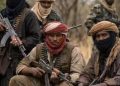



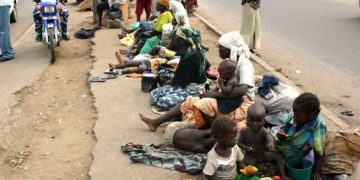
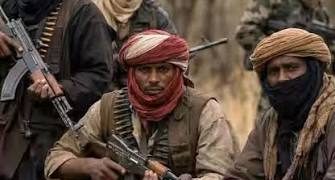






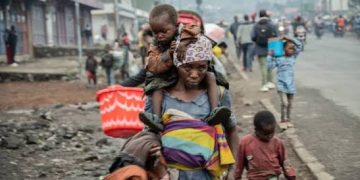
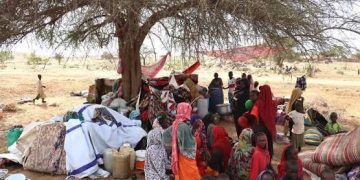



In the heart of Nigeria, Kwara State has become the latest frontline in the nation’s war against terror, where ruthless terrorists and bandit militias are waging a campaign of bloodshed and fear. From the forests of Oro-Ago to the farmlands of Gbugbu, communities are under siege, churchgoers are abducted mid-worship, vigilante leaders are falling in battle, and families are torn apart by ransom demands that mock humanity. Yet, amid the chaos, the Nigerian federal government has unleashed a show of force, elite special troops, and air power roaring across the skies, but even at that, these terrorists have not retreated or surrendered, and the security agencies have renewed their vow to crush terrorist strongholds. Governor AbdulRahman AbdulRazaq, refusing to bow to terror, faces the question of whether the state has what it takes to confront these terrorists with sophisticated weapons, but will the government press forward with the conviction that it will defeat these forces of evil. As residents flee and plead for safety, Kwara stands as both a symbol of Nigeria’s vulnerability and its unyielding determination to triumph over terrorism.
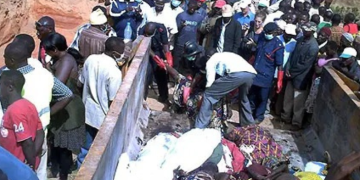
On the evening of 3 February 2026, hundreds of extremist militants descended on the villages of Woro and Nuku in Kaiama, Kwara State, killing at least 162 residents, men, women, and children. Homes were burned to the ground, victims were bound before execution, and scores were abducted, their fate still unknown. The attackers, jihadists reportedly based in the forests of the Borgu region, had previously preached in Woro, demanding that residents embrace their version of Sharia law. When the community refused, they responded with brutal violence.
Between 1 January and 7 November 2025, at least 207 people were killed and more than 177 abducted across Kwara’s northern areas. But did the government appeared slow to respond until the scale of the violence drew wider national attention?
Kainji National Park, a vast 5,341 square kilometre forest reserve, has become a sanctuary for a network of armed groups including criminal bandits, Boko Haram factions, Ansaru, Lakurawa, and the Sahel-based JNIM. Successive administrations have struggled to dismantle this convergence of jihadist forces, leaving communities exposed to repeated attacks.
On 21 March 2026, Elder Olaitan Oyin-Zubair, Coordinator of the Kwara South Joint Security Watch, issued a formal letter titled “Urgent: Imminent Terrorist Threats Alert.” Addressed to the state Commissioner of Police and copied to local government chairmen, the letter warned of planned attacks scheduled for March 23 and March 28, 2026.
On March 23, suspected terrorists stormed an ECWA church in Omugo, Oro-Ago community, abducting at least nine worshippers during service. Three days later, on March 26, the same group attacked Oro-Ago itself, the hometown of Kwara’s Deputy Governor Kayode Alabi, killing two people, injuring the local security chief, and attempting to overrun a police station.
By March 28, the attackers regrouped for another assault, demanding a ransom of ₦1 billion for five abducted church members, including the pastor’s wife. They rejected the ₦1 million raised by the community.
Elder Oyin-Zubair, expressing frustration, stated that the people were outraged that despite prior warnings from the Joint Security Watch Kwara South, the necessary preventive action was not taken.
Kwara State now stands as a critical flashpoint in Nigeria’s security landscape, a theatre where armed groups continue to test the resilience of the state. The response of leadership has raised serious concerns, while citizens continue to bear the consequences.
Yet amid the hardship, Kwara reflects both Nigeria’s vulnerability and its determination. The deployment of troops and air support signals renewed federal attention, but the key question remains whether these efforts will dismantle entrenched strongholds in Kainji and Borgu, or whether the cycle of violence will persist.
The people of Kwara demand more than assurances. They require sustained, decisive action. Their situation highlights a broader national concern that without urgent intervention, Nigeria risks not only losing control of affected areas but also eroding public confidence in its ability to ensure security and protect its citizens.
Daniel Nduka Okonkwo is a Nigerian investigative journalist, publisher of Profiles International Human Rights Advocate, and policy analyst whose work focuses on governance, institutional accountability, and political power. He is also a human rights activist, human rights advocate, and human rights journalist. His reporting and analysis have appeared in Sahara Reporters, African Defence Forum, Daily Intel Newspapers, Opinion Nigeria, African Angle, and other international media platforms. He writes from Nigeria and can be reached at dan.okonkwo.73@gmail.com.