














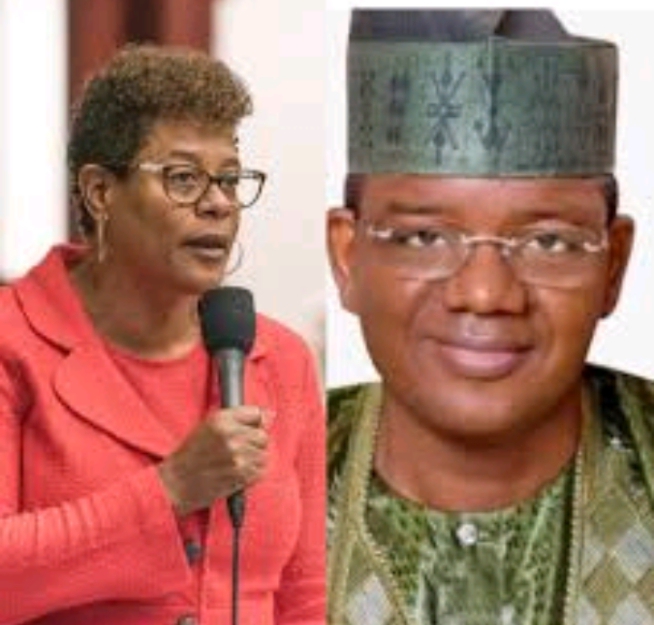
Escalating violence across Nigeria has sparked fierce debate over whether the killings constitute a campaign of targeted persecution against Christians or a broader national security collapse. As international concern mounts, Florida State Representative Kimberly Daniels, chairwoman of the United World Congress of Diplomats (UN-WCD), has accused Nigeria’s Minister of State for Defence, Bello Matawalle, of attempting to bribe a U.S. official to alter a UN-WCD report that characterizes the attacks in Plateau, Benue, Kaduna, and Nasarawa as “Christian genocide.” While Daniels’ allegations and the report have intensified global scrutiny, Nigerian authorities continue to face criticism for failing to stem the bloodshed, leaving citizens and observers divided over whether the crisis reflects religiously motivated violence or entrenched banditry and farmer-herder conflict.
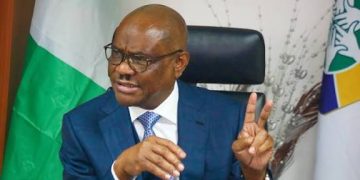
International controversy has emerged over Nigeria’s worsening insecurity, following allegations by U.S. lawmaker Kimberly Daniels that Nigeria’s Minister of State for Defence, Bello Matawalle, attempted to influence American officials regarding reports of targeted killings in the country.
Daniels, who also chairs the United World Congress of Diplomats, made the claims during a Facebook Live broadcast on April 20, 2026. She alleged that Matawalle sought to “change the narrative” surrounding a UN-WCD report that characterizes ongoing violence in parts of Nigeria as “Christian genocide.”
According to Daniels, she claims to possess evidence of communications, including what she described as prepared talking points aimed at persuading U.S. lawmakers to defend Nigeria’s defence leadership and discredit the report. She further alleged that financial inducements were offered to reduce international scrutiny.
“You can’t silence me,” Daniels said during the broadcast, insisting that the “truth about what is happening to Christians in Nigeria must be told.” She has called for an independent investigation into the alleged actions.
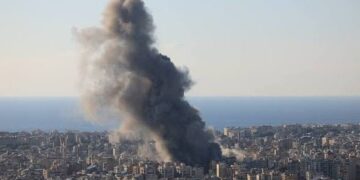
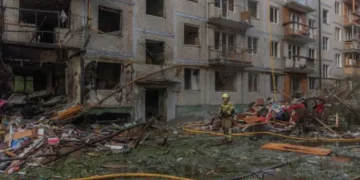
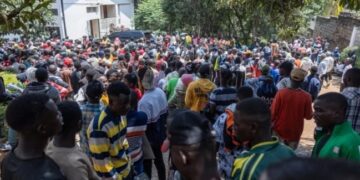
The allegations come amid escalating violence across Nigeria’s Middle Belt and parts of the North West, particularly in Plateau, Benue, Kaduna, and Nasarawa states. Thousands have been displaced in recurring attacks that have intensified in recent months, drawing both domestic outrage and international concern.
At the center of the debate is how to characterize the violence. The UN-WCD report released on April 14, 2026, alleges a pattern of targeted attacks against Christian communities and calls for the removal or redeployment of Matawalle, citing concerns over the effectiveness of Nigeria’s security leadership.
However, Nigerian authorities have consistently rejected claims that the violence amounts to religious genocide. Government officials argue that the crisis is complex and driven by a combination of armed banditry, longstanding farmer-herder conflicts, and insurgent activity. They maintain that both Christians and Muslims have been affected.
Regional bodies such as the African Union have also cautioned against framing the conflict solely along religious lines, noting that multiple factors, including resource competition, climate pressures, and governance challenges, contribute to the instability.
As of press time, the Nigerian government has not issued a detailed response to Daniels’ recent allegations. Previous statements from officials have rejected similar claims, describing them as unfounded and politically motivated.
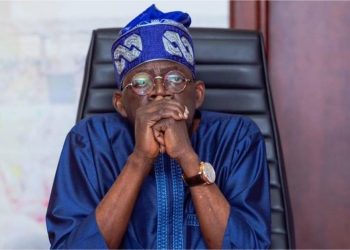
Matawalle, a former governor of Zamfara State, has previously defended the government’s security strategy and has denied wrongdoing in relation to Nigeria’s internal security challenges.
The absence of a direct response to the latest claims is likely to intensify calls for transparency, particularly as international attention grows.
The controversy underlines increasing global focus on Nigeria’s security challenges as Africa’s most populous nation and a key regional power. Human rights organizations and foreign policymakers have repeatedly called for stronger action to protect civilians and address the underlying causes of violence.
For many observers, the disagreement between Daniels and Nigerian authorities reflects a broader struggle over how the crisis should be understood. Some describe it as systematic religious persecution, while others view it as a multifaceted security breakdown.
This distinction carries significant implications. A designation of genocide could have serious international legal and diplomatic consequences, while a broader security framing emphasizes internal reforms and conflict resolution strategies.
As violence continues and accusations draw international attention, Nigeria faces growing pressure to demonstrate accountability and effectiveness in its response. For affected communities, however, the debate over terminology offers little immediate relief.
What remains clear is that the human toll is rising and the urgency for credible investigations, transparent governance, and coordinated security efforts continues to increase.
Until then, competing narratives involving religious persecution, criminal violence, and systemic security challenges will continue to shape both domestic discourse and international perception of Nigeria’s deepening crisis.
Daniel Nduka Okonkwo is a Nigerian investigative journalist, publisher of Profiles International Human Rights Advocate, and policy analyst whose work focuses on governance, institutional accountability, and political power. He is also a human rights activist, human rights advocate, and human rights journalist. His reporting and analysis have appeared in Sahara Reporters, African Defence Forum, Daily Intel Newspapers, Opinion Nigeria, African Angle, and other international media platforms. He writes from Nigeria and can be reached at dan.okonkwo.73@gmail.com.