








The detention of activists such as Omoyele Sowore carries profound implications for both the Nigerian government and the fundamental right to freedom of expression. Beyond the immediate act of detention, it signals a troubling trend toward the criminalization of dissent, the chilling of civic engagement, and the suppression of movements advocating for social, political, or environmental reform.
While authorities often justify such arrests as temporary measures for investigation, the reality is that these detentions frequently involve harsh conditions, wrongful imprisonment, and, in many cases, are used to punish individuals who peacefully challenge authority. This practice not only erodes trust in state institutions but also undermines Nigeria’s democratic image internationally. Historically, such repressive tactics have disproportionately affected marginalized voices and have become tools for both state authorities and powerful corporate interests seeking to silence critics.
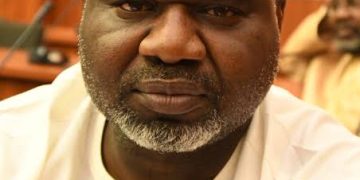
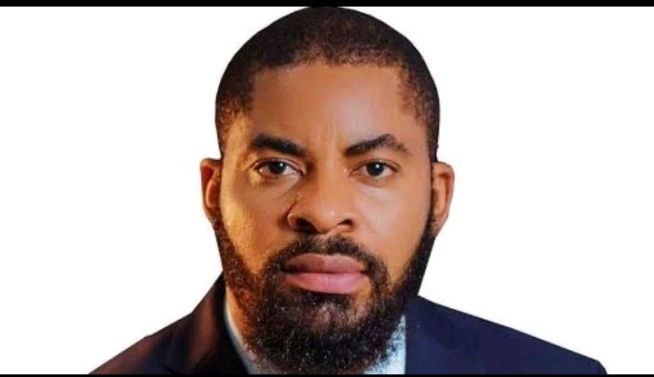
In Nigeria, detaining activists and journalists is unfortunately not new it has long been considered one of the occupational hazards of advocating for good governance and social justice. One prominent voice in this space is Deji Adeyanju, a seasoned activist and attorney who has led and participated in protests across the nation, and remains one of the most vocal proponents of democracy and human rights.
In an exclusive interview, Deji Adeyanju shared his reflections on Nigeria’s current climate of activism and protest. When asked why he did not participate in the recent #FreeNnamdiKanuNow protest, Adeyanju was forthright:
“I’m not going to come out for any protest until Nigerians come out for a protest,” he said. “I’m not coming out to protest unless the issue affects everyone and people are ready to stand up collectively. If I see one million people on the road, I’ll come out. But I won’t be the sacrificial lamb again.”
Adeyanju acknowledged his friendship with Sowore but maintained that he had chosen to “sit this one out.” Nonetheless, he endorsed the protest, insisting that the real challenge lies in Nigerians’ reluctance to unite for collective action.
“When a protest happens, some people just stand by and watch, while others criticize from a distance. If the country is doing well, we should all stay at home. But if it’s not doing well, we should all come out to protest. The day all of us come out, all of our problems will be solved,” he asserted.
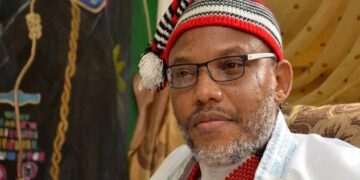
When asked about Nnamdi Kanu, the detained leader of the Indigenous People of Biafra (IPOB), Adeyanju argued that Kanu’s continued detention is unjustifiable, especially when compared to the actions of violent actors in the country.
“Nnamdi Kanu hasn’t done 0.0 percent of what some of these bandits have done. What crime has he really committed? Are bandits not the ones carrying guns in Katsina?” he asked. Adeyanju further stressed that the issue should have been resolved long ago, adding, “President Tinubu shouldn’t have inherited this problem; it’s Buhari’s problem. I expected Tinubu to discontinue the charges against Nnamdi Kanu.”
Adeyanju also condemned the repeated arrests of Sowore, stating that the authorities could not “break” him through detention.
“They can’t break Sowore by arresting him,” he said confidently.
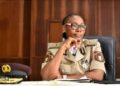
Reports from the Force Public Relations Officer, Benjamin Hundeyin, confirmed that Sowore’s arrest followed allegations that he led a group of protesters into a restricted area during the #FreeNnamdiKanuNow demonstration in Abuja. Hundeyin stated that the arrest was part of efforts to “ensure that justice applies equally to everyone involved.”
However, the Take It Back Movement, led by Sanyaolu Juwon, condemned the arrest, warning that any attempt to detain or intimidate Sowore would provoke widespread national outrage.
“We have received credible information that the FCT Commissioner of Police invited our comrade and convener, Omoyele Sowore, reportedly in connection with the ongoing #FreeNnamdiKanuNow protest,” Juwon said. “We categorically warn that any form of detention, harassment, or intimidation of Sowore by the Nigeria Police Force or any arm of the Tinubu regime will be met with immediate, nationwide mass action.”
The unfolding events surrounding Sowore’s detention and the broader clampdown on activists reveal an unsettling pattern of repression disguised as law enforcement. As Nigeria continues to navigate its democratic journey, the right to dissent remains a crucial barometer of its progress.
To silence dissenters is to silence democracy itself. The world is watching and history will remember whether Nigeria stood on the side of freedom or fear.
Daniel Nduka Okonkwo is a seasoned writer, human rights advocate, and public affairs analyst, widely recognized for his incisive commentary on governance, justice, and social equity. Through his platform, Profiles International Human Rights Advocate, he has consistently illuminated critical social and political issues in Nigeria and beyond, championing accountability, transparency, and reform. With a portfolio of more than 1,000 published articles available on Google, Okonkwo’s works have appeared in prominent outlets such as Sahara Reporters and other leading media platforms. Beyond journalism, he is an accomplished transcriptionist and experienced petition writer, known for his precision and persuasive communication. He also works as a ghostwriter and freelance journalist, contributing his expertise to diverse projects that promote truth, integrity, and the protection of human rights.