































By Georgina George
Officials familiar with the development disclosed the case, which has raised fears of a fresh outbreak. Health authorities are said to be taking steps to prevent further transmission.
It is not yet clear how the woman contracted the virus or whether she was exposed to an infected person before travelling to Nigeria. Her recent return from Uganda has, however, been identified as a significant detail in the investigation.
The Federal Ministry of Health has reportedly begun releasing funds to support surveillance and the tracing of people who may have come into contact with her.
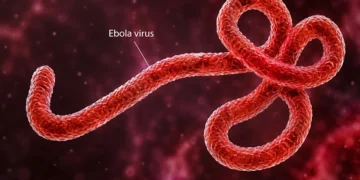
Ebola is a severe and potentially fatal illness. It spreads through direct contact with the blood or other bodily fluids of an infected person showing symptoms, as well as through contaminated materials. Symptoms include fever, fatigue, muscle pain, headache and sore throat, and in some cases vomiting, diarrhoea, rashes and bleeding. Because the disease can initially resemble other illnesses, prompt medical assessment and laboratory testing are crucial.
Nigeria last recorded an Ebola outbreak in 2014, after an infected traveller arrived in Lagos from Liberia. According to the United States Centers for Disease Control and Prevention, the country recorded 19 laboratory-confirmed cases and one probable case, with eight deaths.
A total of 894 contacts were identified and monitored during that outbreak, which was contained through early detection, effective contact tracing and cooperation between health authorities and medical facilities.