



















Before asking citizens to pay more, the government must first demonstrate tangible improvements in public services, transparency, accountability, and economic relief. Only then can Nigerians trust that their taxes are truly being used for the collective good.
As Nigeria prepares to implement sweeping tax reforms in 2026, many citizens are asking a fundamental question: Is this the right time? The Federal Government insists that the reforms are necessary to modernize the tax system, expand the revenue base, and protect low-income earners. Yet, for millions of Nigerians battling severe economic hardship, inflation, job losses, and the consequences of unpopular government policies, the timing appears not only questionable but deeply unfair.
A Nation taxed without tangible benefits In principle, taxation should provide citizens with access to essential public services, infrastructure, and social amenities. It is a collective investment in national development. However, Nigerians have long argued that they see very little return on their tax contributions.
Public schools remain underfunded. Roads are dilapidated. Hospitals lack basic equipment. Power supply remains erratic. Despite decades of tax collection and repeated promises, Nigerians overwhelmingly agree that there is little to show for the revenue generated in previous years.
This reality has fueled frustration as the government calls for more taxes at a time when citizens are still struggling with the effects of recent economic reforms, including subsidy removal, currency devaluation, rising inflation, and high living costs.
Paradoxically, 2025 has been a strong year for Nigeria in terms of revenue generation and economic inflows:
Non-oil exports earned $3.23 billion in the first half of 2025 a nearly 20% increase from 2024.
Capital importation surged to $5.64 billion in Q1 2025 a 67.12% year-on-year increase, largely driven by foreign portfolio investment.
Nigeria recorded a trade surplus of ₦5.17 trillion in Q1 2025, its highest in almost two years, with total exports standing at ₦20.6 trillion. Crude oil made up over 62%.
By December 2025, external reserves hit $46.7 billion, the highest in nearly seven years.
Additionally, states across the federation recorded unprecedented revenue increases. Internally Generated Revenue (IGR) for the 35 states reached ₦3.02 trillion, a remarkable 52.52% increase from 2023. PAYE remained the dominant source, especially in Lagos, Rivers, and the FCT.
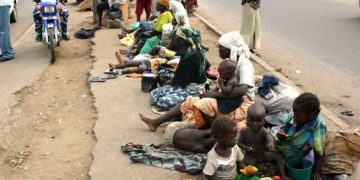
Despite these promising indicators, ordinary Nigerians continue to suffer. Food prices remain unbearably high, transportation costs have doubled or tripled, and businesses, especially small enterprises, struggle under pressure.
The disconnect between national revenue growth and citizens’ living standards remains stark.
The 2025 Tax Reform Acts: What Has Changed?
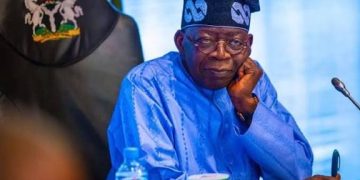
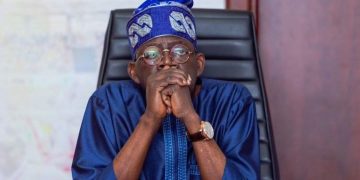
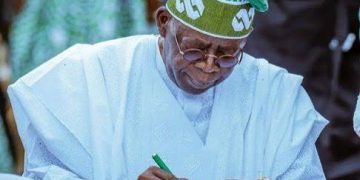
On June 26, 2025, President Bola Ahmed Tinubu signed into law four major tax reform bills, collectively referred to as the Nigeria Tax Act 2025 (NTA). The laws will take effect from January 1, 2026, and are designed to simplify the tax system, eliminate multiple taxation, and increase transparency.
The Nigeria Revenue Service (NRS) replaces the Federal Inland Revenue Service (FIRS). Broader mandate to collect both tax and non-tax federal revenues. Centralized tax administration for efficiency. Progressive Personal Income Tax (PIT) Individuals earning up to ₦800,000 annually are fully exempt. New, more progressive tax bands for higher earners. A new rent relief system. The worldwide income of Nigerian residents is now taxable.
Business-Related Reforms small companies are exempt from CIT, CGT, and the new Development Levy.
Mandatory e-invoicing and real-time VAT systems. VAT remains at 7.5%, with expanded input claims and zero-rating for essential goods. A new 4% Development Levy replaces multiple outdated levies.
Establishing the Office of the Tax Ombudsman to protect taxpayers’ rights.
Consolidation and repeals the NTA consolidates numerous previous tax laws, including the Personal Income Tax Act, into a single, unified statute.
The government argues that the new system favors low-income earners and simplifies compliance. But Nigerians facing daily survival challenges see things differently.
With inflation high, fuel prices unstable, electricity tariffs rising, and purchasing power declining, many feel that any increase in tax pressure, no matter how gradual, will worsen their suffering.
The promise of fairness in a progressive tax system sounds good on paper, but Nigerians are asking:
What public services justify paying more?
How will increased tax revenue improve the lives of ordinary citizens?
Why should citizens contribute more when governance outcomes remain weak?
Is it fair to demand higher taxes when basic amenities are still lacking?
These questions reflect a loss of public confidence in government spending and service delivery.
Across the country, the human impact of the economic crisis is severe:
Families struggle to afford food and essential goods.
Transportation and rent costs have skyrocketed.
Businesses are closing or downsizing.
Youth unemployment remains high.
Public workers face delayed salaries in some states.
Power supply challenges continue to cripple productivity.
For many Nigerians, daily survival has become an uphill battle. The fear is that new tax measures, no matter how well-intended, could further tighten an already suffocating economic environment.
Nigeria undeniably needs tax reform. The old system was fragmented, outdated, and inefficient. The new laws have the potential to create fairness, reduce leakages, and stabilize public finances.
However, timing matters. While economic indicators suggest progress, the lived experience of ordinary Nigerians tells a different story one of hardship, uncertainty, and frustration.
For now, the question remains unanswered:
Is this the right time for tax reform in a nation already on its knees?
Daniel Nduka Okonkwo is a seasoned writer, human rights advocate, and public affairs analyst, widely recognized for his incisive commentary on governance, justice, and social equity. Through his platform, Profiles International Human Rights Advocate, he has consistently illuminated critical social and political issues in Nigeria and beyond, championing accountability, transparency, and reform. With a portfolio of more than 1,000 published articles available on Google, Okonkwo’s works have appeared in prominent outlets such as Sahara Reporters and other leading media platforms. Beyond journalism, he is an accomplished transcriptionist and experienced petition writer, known for his precision and persuasive communication. He also works as a ghostwriter and freelance journalist, contributing his expertise to diverse projects that promote truth, integrity, and the protection of human rights.