


























By Daniel Nduka Okonkwo
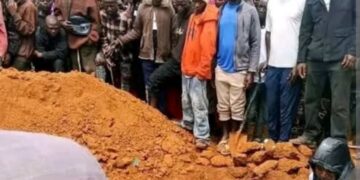
The Nigeria Police Force has once again plunged itself into controversy, as the tragic killing of 28-year-old upcoming artist Oghenemine in Delta State exposes deep concerns within the system. Despite evidence in a viral video showing the young man pleading for his life and explaining his innocence, officers reportedly ignored his cries and shot him without a thorough investigation. This act, alongside recent incidents involving alleged police intimidation and misconduct, raises serious questions about a force entrusted with protecting citizens but increasingly accused of acting outside that mandate.
A disturbing incident in Delta State has once again brought Nigeria’s long-standing concerns about police conduct and accountability into sharp focus. According to human rights advocate Harrison Gwamnishu, Oghenemine, a 28-year-old aspiring artist, was fatally shot by officers of the Nigeria Police Force under circumstances that have sparked widespread public concern.
Reports indicate that Oghenemine had been sent by a friend to collect a waybill when he was stopped by police officers. The officers allegedly claimed that the package contained a firearm. In a video shared by Gwamnishu, the young man is seen pleading and attempting to explain that he was acting on behalf of another person. Despite his apparent cooperation, his explanations were reportedly not acted upon, and the situation escalated, resulting in his death without a confirmed investigation at the scene.
Gwamnishu identified one of the officers allegedly involved as Usman Nuhu and questioned why efforts were not made to trace the sender or verify the contents of the package before the use of lethal force. He also stated that several officers were present at the scene, although only one has been publicly identified so far. In a subsequent update, he reported that the Inspector General of Police has directed that officers connected to the incident be transferred to Abuja as investigations continue.
The incident has generated widespread reactions across the country, with many Nigerians questioning how such an encounter could have been handled differently. For the victim’s family, the situation was further complicated by an initial report that he was missing before confirmation of his death. His case has since become part of a broader conversation about police accountability.
This incident reflects wider concerns that have been documented over time. Organizations such as Amnesty International and Human Rights Watch have published reports highlighting allegations of excessive force, unlawful killings, and misconduct involving law enforcement personnel. These findings often point to a gap between established regulations and their implementation.
In April 2026, both the Police Service Commission and the Delta State Police Command confirmed the arrest of an officer in connection with a separate fatal shooting in Effurun. The officer is currently facing trial, representing one of the relatively few instances where such cases proceed through formal legal channels.
Public perception of law enforcement has also been shaped by past events, including the End SARS protests, which drew attention to concerns about police brutality. The events at the Lekki Toll Gate remain a subject of national discussion and reflection, particularly regarding accountability and the protection of civil rights.
Other recent incidents have continued to draw attention. In Lagos, reports indicated that officers were deployed during a dispute involving residents protesting the installation of a telecommunications mast at a playground in Festac. In another case, authorities confirmed an investigation into a video showing a man in a police uniform driving a commercial bus and allegedly threatening passengers near Eko Bridge.
Statements by public officials have also contributed to ongoing debates. A recent claim by the chairman of the Economic and Financial Crimes Commission that a significant proportion of university students are involved in cybercrime has generated mixed reactions. Observers have raised concerns about generalizations, profiling, and the implications for law enforcement practices.
At the center of these issues is accountability. The Nigeria Police Force operates under guidelines that regulate the use of force and emphasize the protection of life. However, repeated allegations of violations suggest challenges in enforcement and oversight.
The key question remains whether existing internal disciplinary measures and occasional prosecutions are sufficient to deter misconduct. Many observers argue that without consistent accountability, transparent investigations, and institutional reform, incidents such as this may continue to occur.
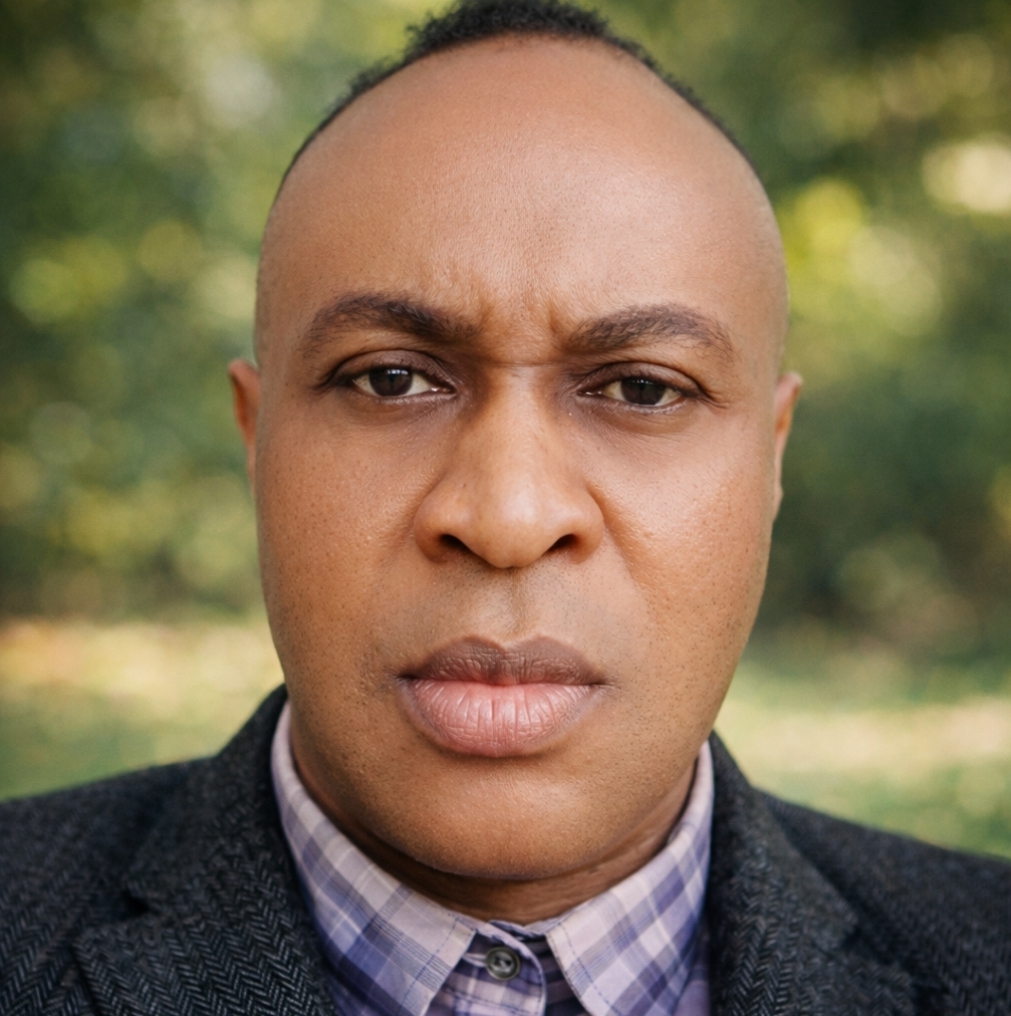
Daniel Nduka Okonkwo is a Nigerian investigative journalist, publisher of Profiles International Human Rights Advocate in collaboration with Daniels Entertainment, and a policy analyst whose work focuses on governance, institutional accountability, and political power. He is also a human rights activist, advocate, and journalist committed to promoting transparency, justice, and democratic principles. His reporting and analysis have been widely published across notable media platforms, including Sahara Reporters, African Defence Forum, Daily Trust Newspapers, Vanguard Newspaper, Daily Intel Newspapers, Opinion Nigeria, African Angle, Local Newsbreak, and other international outlets. He writes from Nigeria and can be reached at dan.okonkwo.73@gmail.com.