



























If Nigeria truly seeks to project itself as a responsible, stable, and respectable nation on the global stage, then ambassadorial appointments must be based on merit, professionalism, and character not on political patronage or personal alliances.
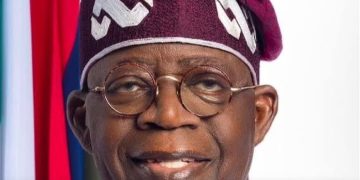
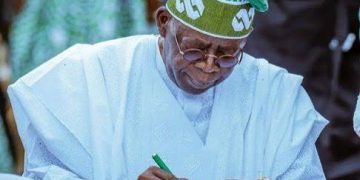
President Bola Ahmed Tinubu has transmitted a new list of 32 ambassadorial nominees to the Nigerian Senate for confirmation, coming only days after an initial submission of three names. This new batch includes prominent political figures, former governors, ex-presidential aides, former first ladies, and other influential personalities from across the country.
Former presidential aide Reno Omokri once declared emphatically, “It will never happen… It’s against my principles… it’s not in my DNA… I can never work with him.” This was his firm public stance when asked if he would ever accept an appointment from President Bola Ahmed Tinubu.
Yet in a striking turn of events, President Tinubu has now forwarded a new list of 32 ambassadorial nominees to the Senate, and among the names are Reno Omokri himself, former INEC Chairman Prof. Mahmood Yakubu, and Femi Fani-Kayode.
This unexpected development has sparked conversations about political consistency, personal conviction, and the growing public perception that appointments in Nigeria may be shifting further toward political convenience rather than steadfast principle.
Reacting to his nomination, Omokri expressed gratitude to President Tinubu, describing him as “Christlike” and stating that the President had taught him “the meaning of forgiveness.”
The contrast between past statements and present circumstances continues to generate significant public interest and debate.
While ambassadorial appointments naturally have political dimensions, they are fundamentally instruments of foreign policy, diplomacy, and national representation. For this reason, many Nigerians are expressing concerns about whether all nominees possess the temperament, expertise, and diplomatic readiness needed to represent Nigeria effectively abroad.
Ambassadors are far from ceremonial appointees. They are senior diplomats entrusted with safeguarding national interests in foreign countries. Their core responsibilities include interpreting and advancing their home government’s policies
Building and sustaining diplomatic relations promoting trade, security, and cultural exchange, and protecting the welfare of Nigerian citizens abroad
Managing sensitive bilateral issues with discretion and tact
Success in this role requires strong communication skills, leadership ability, emotional intelligence, and the capacity to navigate complex geopolitical environments. Ideally, nominees should possess academic or professional backgrounds in international relations, law, political science, or other relevant fields together with language skills and diplomatic experience befitting such a prestigious appointment.
Most importantly, ambassadors must be men and women whose character demonstrates maturity, patriotism, emotional balance, and the capacity to maintain composure under pressure. Many Nigerians believe that some individuals currently nominated may not embody these essential attributes.
Among the new nominees are figures whose political careers and public engagement styles have generated significant debate. Their track records, whether due to partisan commentary, highly charged rhetoric, or contentious public engagements, have prompted questions about suitability for positions that demand neutrality, discretion, and diplomatic restraint.
Some of the concerns revolve around the perception that certain nominees have, at different points, sharply criticized various administrations or exhibited unpredictable political alignments. This has led to public speculation that the selection process may be influenced in part by political considerations rather than purely by merit.
This raises a central question: Do all nominees meet the diplomatic threshold required to represent Nigeria internationally?
Ambassadorship requires more than domestic relevance or political visibility. It demands:
Knowledge of foreign affairs and international diplomacy
Emotional discipline and sound judgment
The ability to engage diverse cultures with respect and sensitivity
A demonstrated record of patriotism and public service
A temperament suitable for delicate negotiations and bilateral engagements
The global community observes not just a nation’s policies, but also the character and conduct of those appointed to represent it. When a nominee has a history of intense political exchanges or polarizing public commentary, Nigerians naturally question whether such a person can represent the nation with the neutrality and dignity expected of an ambassador.
Ambassadors are symbols of national unity. They represent over 200 million citizens not a political party, not a faction, and not an individual leader. Nigerians therefore have every right to demand
A clear, public explanation of each nominee’s qualifications
A thorough assessment of character, competence, and diplomatic suitability
President Tinubu’s list indeed includes several distinguished former governors, respected technocrats, and experienced administrators. However, it also contains individuals whose suitability, based on public records and perceived temperament, has been called into question by citizens who expect Nigeria’s global image to be entrusted to the very best.
The pressing question remains: Are these appointments driven by a commitment to strengthening Nigeria’s diplomatic corps, or by political loyalty and reward?
The Senate’s confirmation hearings provide an important opportunity to demonstrate accountability. Nigerians expect lawmakers to evaluate each nominee carefully and independently not simply endorse them without scrutiny.
Ultimately, the individuals chosen will carry the responsibility of shaping Nigeria’s image abroad. They must not only be competent they must embody the dignity, maturity, and integrity befitting true ambassadors of the Federal Republic of Nigeria.
Daniel Nduka Okonkwo is a seasoned writer, human rights advocate, and public affairs analyst known for his incisive commentary on governance, justice, and social equity. Through his platform, Profiles International Human Rights Advocate, he consistently sheds light on critical social and political issues in Nigeria and beyond, championing accountability, transparency, and reform.
With a portfolio of more than 1,000 published articles available on Google, Okonkwo’s work has been featured on Sahara Reporters and other leading media platforms. He is an accomplished transcriptionist, experienced petition writer, and a versatile ghostwriter and freelance journalist, contributing to diverse projects that promote truth, integrity, and human rights.