






















Writing about governance in Nigeria can sometimes feel like pouring water on a rock, an effort without visible impact. Yet, the responsibility of holding power to account remains essential, especially when government actions appear disconnected from the lived realities of citizens. A responsive government should not deliberately impose hardship on its people, nor should leadership derive comfort from policies that deepen public suffering. When citizens repeatedly ask why government decisions seem bent on inflicting pain, the questions deserve honest answers, not dismissals.
At the heart of effective governance is credibility, credibility is enhanced when a government demonstrates a genuine willingness to listen to citizens’ concerns and respond promptly, transparently, and effectively. It is built through consistent competence, reliability, and honesty in decision-making. Without credibility, public trust erodes, and without trust, governance becomes coercive rather than cooperative.
Recent controversies surrounding Nigeria’s newly enacted tax reform laws have once again raised serious concerns about transparency, accountability, and respect for constitutional processes.
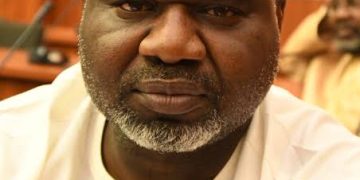
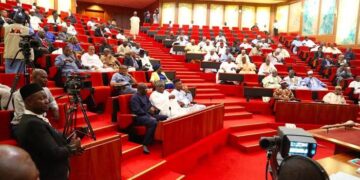
A member of the House of Representatives, Hon. Mansur Manu Soro (Bauchi State), has called for the immediate suspension of the Tax Laws, 2025, citing what he described as the “existence of material discrepancies between the bills duly passed by the National Assembly and the versions subsequently gazetted.”
In a statement released on Sunday, Hon. Soro revealed that his review of the Votes and Proceedings of the National Assembly, the harmonised versions of the tax bills approved by lawmakers, and the Official Gazette exposed discrepancies that, according to him, are neither minor nor accidental. He alleged that provisions approved by the legislature, particularly those related to oversight and reporting mechanisms, were removed in the gazetted versions, while new coercive and fiscal powers were introduced for the executive without legislative approval. Such allegations, if proven true, strike at the very foundation of constitutional democracy.
An unauthorized or material alteration to a legal document after it has been duly executed and signed into law can carry grave legal consequences. It may render parts of the law void or unconstitutional, raising questions about legality, legitimacy, and due process.
In response to the controversy, several prominent political figures and civil society organisations have called for the suspension of the implementation of the tax laws pending clarification. Former Vice President Atiku Abubakar, Labour Party’s 2023 presidential candidate Peter Obi, and various civic groups have demanded transparency and accountability.
If these allegations of post-legislative alterations are true, then public trust in the administration has been severely compromised. Nigerians should not be taken for granted, no matter how often it may have happened in the past. This, many argue, is one instance too many.
At the very least, it would be prudent for the Federal Government to publish a Certified True Copy (CTC) of the tax bills as received from the National Assembly, alongside a Certified True Copy (CTC) of the tax laws signed by the President. Such disclosure would help settle doubts, restore confidence, and reaffirm commitment to the constitutional order.
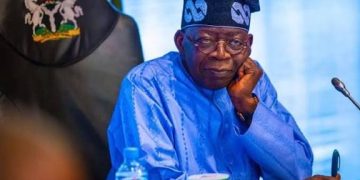
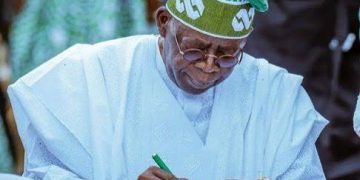
The Presidency has firmly denied the allegations, insisting that no provisions were altered outside the established legislative and legal processes. President Bola Ahmed Tinubu recently signed four major tax reform bills into law, which the government has described as the most significant overhaul of Nigeria’s tax system in decades.
The laws include:
- The Nigeria Tax Act
- The Nigeria Tax Administration Act
- The Nigeria Revenue Service (Establishment) Act
- The Joint Revenue Board (Establishment) Act
Under the new framework, tax administration is to operate under a single authority, the Nigeria Revenue Service. According to the Federal Government, the reforms aim to simplify tax compliance, expand the tax base, eliminate overlapping taxes, and modernise revenue collection across federal, state, and local governments.
The Larger Question of Trust
While tax reform is necessary, especially in a country seeking fiscal stability, the process by which reforms are enacted matters as much as the reforms themselves. Credibility remains the foundation of public trust. When citizens believe laws can be altered without transparency, confidence in governance collapses.
A government that listens, explains, and corrects itself when necessary strengthens democracy. One that appears dismissive of legitimate concerns risks widening the already fragile trust gap between the state and the people. Nigeria does not merely need reforms, it needs reassurance that the rule of law remains sacrosanct, that institutions matter, and that citizens are partners in governance, not subjects of policy experiments.
Until clarity is provided, the controversy surrounding the tax reform laws will remain a test not just of fiscal policy, but of leadership credibility itself.
Daniel Nduka Okonkwo is a seasoned writer, human rights advocate, and public affairs analyst, widely recognized for his incisive commentary on governance, justice, and social equity. Through his platform, Profiles International Human Rights Advocate, he has consistently illuminated critical social and political issues in Nigeria and beyond, championing accountability, transparency, and reform. With a portfolio of more than 1,000 published articles available on Google, Okonkwo’s works have appeared in prominent outlets such as Sahara Reporters and other leading media platforms. Beyond journalism, he is an accomplished transcriptionist and experienced petition writer, known for his precision and persuasive communication. He also works as a ghostwriter and freelance journalist, contributing his expertise to diverse projects that promote truth, integrity, and the protection of human rights.