







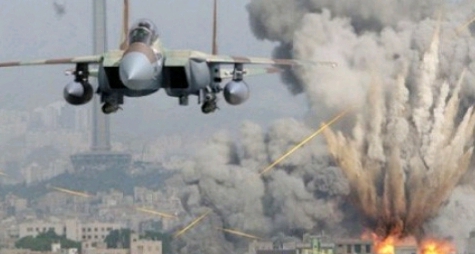
The reported American military airstrike on terrorist targets in northern Nigeria has sparked intense reactions across the country and on social media, with many Nigerians, particularly Christians, describing the development as a long-awaited turning point in the fight against violent extremism. One widely circulated comment described the strike as “the best Christmas gift,” reflecting deep public frustration after years of persistent terrorist violence.
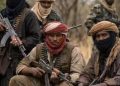
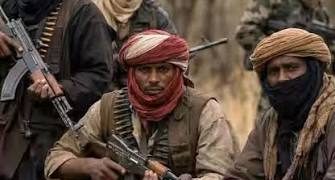
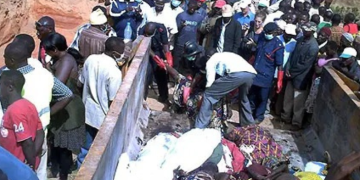
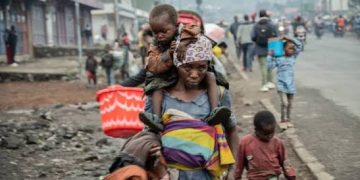
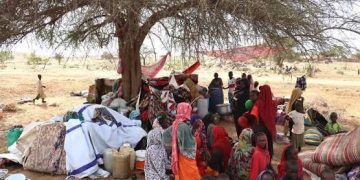
For more than a decade, armed extremist groups and bandit networks have terrorized large swathes of Nigeria, especially in the North-West and North-East. Thousands of civilians have been killed, communities displaced, and places of worship, both churches and mosques, destroyed. Despite sustained efforts by the Nigerian military and security agencies, these groups have continued to adapt, expand their reach, and, in some cases, intensify attacks on vulnerable populations.
Against this backdrop, the reported involvement of the United States military marks a significant escalation in international engagement. According to U.S. Africa Command (AFRICOM), the airstrike, carried out at the request of Nigerian authorities, targeted Islamic State-linked militants operating in Sokoto State, which borders Niger. AFRICOM stated that multiple terrorists were killed in the operation.
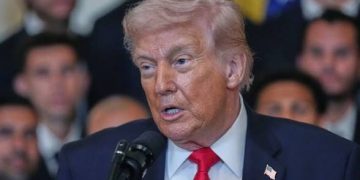
U.S. President Donald Trump publicly claimed responsibility for authorizing the strike, framing it as a response to what he described as the sustained persecution of Christians in Nigeria. Writing on his Social platform, Trump said he had previously warned terrorist groups to halt attacks on Christian communities or face consequences. “Tonight, there was hell to pay,” he wrote, adding that the U.S. military had carried out “numerous perfect strikes.”
Trump further stated that under his leadership, the United States would not allow “radical Islamic terrorism to prosper,” concluding his message with a Christmas greeting that underlined the symbolic timing of the strike. He made the remarks while spending the holiday at his Palm Beach estate.
The U.S. airstrike policy itself is not governed by a single static document but rather by a complex framework that includes presidential authority, congressional authorizations such as the Authorization for Use of Military Force (AUMF), and internal Department of Defense protocols. These rules of engagement have historically varied across U.S. administrations, influencing how and where American forces intervene abroad.
Nigeria’s government has confirmed cooperation with the United States. In a statement shared with CNN, the Nigerian Ministry of Foreign Affairs acknowledged joint action against “terrorist targets” and reiterated the country’s commitment to protecting the rights of all citizens, regardless of faith or ethnicity.
Daniel Bwala, Special Adviser to President Bola Ahmed Tinubu, told CNN that both nations are aligned in their counterterrorism objectives. “The U.S. and Nigeria are on the same page in the fight against terrorism,” he said.
Trump has, in recent months, repeatedly highlighted the plight of Christians in Nigeria, warning as early as November that the United States could take military action if violence continued. He accused terrorist groups of openly defying American warnings and escalating attacks in response, claims that have further fueled debate over the effectiveness and consequences of external military intervention.
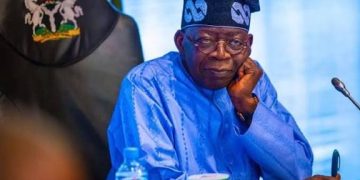
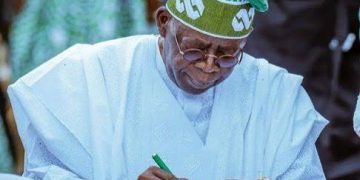
President Tinubu, meanwhile, struck a conciliatory tone in his Christmas Eve goodwill message. In a post on X (formerly Twitter), he extended Christmas wishes to Christians in Nigeria and around the world, while emphasizing unity and religious coexistence. “I stand committed to doing everything within my power to enshrine religious freedom in Nigeria and to protect Christians, Muslims, and all Nigerians from violence,” he said.
The issue of religious freedom in Nigeria has drawn increasing international scrutiny. Trump has accused the Nigerian state of failing to adequately protect Christian communities, declaring that “Christianity is facing an existential threat in Nigeria.” During his administration, Nigeria was designated a “Country of Particular Concern” under the U.S. International Religious Freedom Act a classification reserved for nations accused of tolerating or engaging in systematic and egregious violations of religious freedom.
While supporters view the U.S. airstrike as a decisive intervention that could weaken terrorist networks and deter further attacks, critics caution that long-term peace will require more than military action. Addressing terrorism in Nigeria, they argue, demands sustained reforms in governance, intelligence coordination, economic inclusion, and interfaith dialogue.
Nevertheless, for many Nigerians who have lived under the shadow of violence for years, the reported strike represents renewed hope that the tide may finally be turning, and that international resolve, combined with domestic commitment, could usher in a more secure future.
Daniel Nduka Okonkwo is a seasoned writer, human rights advocate, and public affairs analyst, widely recognized for his incisive commentary on governance, justice, and social equity. Through his platform, Profiles International Human Rights Advocate, he has consistently illuminated critical social and political issues in Nigeria and beyond, championing accountability, transparency, and reform. With a portfolio of more than 1,000 published articles available on Google, Okonkwo’s works have appeared in prominent outlets such as Sahara Reporters and other leading media platforms. Beyond journalism, he is an accomplished transcriptionist and experienced petition writer, known for his precision and persuasive communication. He also works as a ghostwriter and freelance journalist, contributing his expertise to diverse projects that promote truth, integrity, and the protection of human rights.