

























By Daniel Nduka Okonkwo
Nigeria’s celebrated success in containing the 2014 Ebola outbreak demonstrated that decisive leadership, early diagnosis, disciplined contact tracing, and coordinated public health action can stop a deadly virus before it spirals into a national emergency. More than a decade later, the confirmation of an imported case of Bundibugyo Ebola virus disease in Abuja presents Nigeria with another critical test, not only of its medical preparedness, but also of the strength of the institutions responsible for protecting public health. With 44 contacts reportedly identified for monitoring, the immediate question is whether the country can translate the hard-earned lessons of 2014 into an equally effective response in 2026, tracing potential exposures, protecting healthcare workers, informing the public, and preventing further transmission without provoking unnecessary panic or stigma.
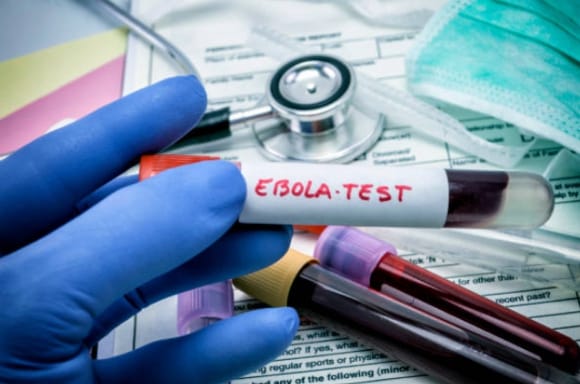
Nigeria has confirmed an imported case of Ebola disease caused by the Bundibugyo virus in the Federal Capital Territory (FCT), raising urgent questions about disease surveillance, hospital preparedness, contact tracing, and the country’s capacity to prevent further transmission. The Federal Ministry of Health and Social Welfare announced the confirmation on 20 October 2026 after laboratory testing established the infection. The patient, a Nigerian businesswoman, is in isolation and receiving medical care. Coordinating Minister of Health and Social Welfare Muhammad Ali Pate has reported that 44 contacts have been identified for monitoring. Although the case requires an urgent public health response, its confirmation alone does not establish that community transmission has occurred in Nigeria.
According to the World Health Organization (WHO), Nigeria is the fifth country to detect the Bundibugyo virus during the outbreak declared in the Democratic Republic of the Congo (DRC) on 15 May 2026. Kenya has also reported nine cases linked to an imported infection associated with the regional outbreak. These developments underscore the importance of cross-border surveillance, early diagnosis, and coordination between national health authorities. Nigeria’s immediate priorities are to establish the circumstances of the patient’s infection, identify people who may have been exposed, and detect any additional cases promptly.
The reported timeline provides important details for the investigation. The woman reportedly travelled to eastern DRC for business before transiting through Uganda and arriving in Nigeria in early October. According to the WHO, her symptoms began on 7 October, she sought medical care at a private hospital in Abuja on 11 October, and laboratory testing confirmed Bundibugyo virus infection on 20 October. These dates make it important for investigators to reconstruct her movements and assess possible exposures before and after her symptoms began. The precise location where she contracted the virus has not been conclusively established.
Uganda’s Ministry of Health has stated that the patient is Nigerian, that she travelled to eastern DRC for business, and that Uganda had no confirmed active Ebola cases when it issued its clarification. In a statement signed by Charles Olaro, the Director-General of Health Services, the ministry said the woman did not develop symptoms while in Uganda and emphasised that transit through the country does not establish where she contracted the infection. Uganda’s position should be reported as an official clarification, while the source of infection remains subject to epidemiological investigation. The distinction matters because travel history alone cannot establish the location of transmission.
The 44 identified contacts are central to Nigeria’s containment efforts. Contact tracing requires health officials to assess the nature of each person’s potential exposure, determine the appropriate monitoring arrangements, and identify further contacts where necessary. The figure reported so far does not necessarily mean that everyone who may have been exposed has been located. Authorities should provide periodic updates on how many contacts have been reached, the progress of monitoring, and whether additional contacts have been identified, without disclosing confidential medical information.
The Nigeria Centre for Disease Control and Prevention (NCDC), the Federal Ministry of Health and Social Welfare, and the FCT health authorities must coordinate case investigation, diagnostic testing, contact tracing, infection prevention and control, and safe referral arrangements. Healthcare facilities should promptly assess suspected cases, apply established infection prevention protocols, and report relevant findings to public health authorities. Adequate protective equipment, trained personnel, and reliable communication between public and private hospitals are essential to an effective response. Authorities should also communicate clearly with the public about confirmed developments and the steps being taken to limit further transmission.
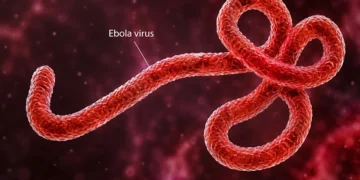
Bundibugyo virus is one of the virus species that causes Ebola disease, a serious illness that can be fatal. WHO has reported case fatality rates ranging from 30 to 50 per cent in the two earlier recognised Bundibugyo outbreaks. There is currently no licensed vaccine or specific approved treatment for Bundibugyo virus disease, making early detection and appropriate supportive medical care particularly important. However, historical fatality rates cannot determine the outcome of an individual infection or predict the final fatality rate of the current outbreak. The patient’s condition and the quality and timeliness of her medical care remain important considerations.
Understanding how Ebola spreads is essential to preventing infection and unnecessary fear. The virus is transmitted principally through direct contact with the blood or other bodily fluids of a symptomatic infected person, or through contaminated materials and objects. Unprotected caregiving and unsafe handling of contaminated materials can create significant risks. Ebola is not ordinarily transmitted through the air in the same manner as influenza or COVID-19. People should not be stigmatised because of their nationality or travel history; potential exposure must be assessed on the basis of actual circumstances and credible public health evidence.
The patient’s admission to a private hospital four days after her reported symptom onset warrants careful assessment of potential exposure risks. Investigators should establish whether healthcare workers, caregivers, household members, or other people had relevant contact with her while she was symptomatic. They should also determine whether additional exposures occurred during her international journey or subsequent movements in Nigeria. Authorities should assess the hospital’s infection prevention and control arrangements and provide appropriate guidance to anyone identified as potentially exposed. Such an assessment is a necessary public health safeguard and does not, by itself, establish negligence.
Residents of Abuja and other parts of Nigeria should follow official health guidance without assuming that ordinary daily activities are inherently dangerous. Regular handwashing with soap and running water, or the use of an appropriate alcohol-based hand sanitiser, is a sensible preventive practice. People should avoid unprotected contact with the bodily fluids of anyone suspected of having Ebola and should not handle potentially contaminated materials. Anyone who develops compatible symptoms after a credible exposure should contact health professionals or public health authorities promptly, disclose the relevant exposure, and follow instructions for accessing care safely. Suspected Ebola should not be managed through self-medication or concealed because of fear or stigma.
Misinformation could undermine the response by creating panic, encouraging discrimination, or discouraging people from cooperating with health officials. Fabricated contact lists and unsupported claims that entire communities are infected should not be circulated as facts. Publishing the patient’s photographs, home address, or other identifying information without a compelling and lawful justification would serve no legitimate public health purpose. Responsible reporting must distinguish confirmed information from preliminary findings, and people being monitored as contacts must not be described as infected unless their infection has been confirmed.
Several accountability questions require clear answers from the relevant authorities. How many of the 44 contacts have been reached, and how many remain under monitoring? What procedures are being used to identify additional contacts, including potentially exposed passengers and people encountered during healthcare visits? What measures have been implemented at the private hospital to assess and manage possible exposures? Are diagnostic testing, protective equipment, trained personnel, and safe referral arrangements adequate across the FCT? The NCDC and the Federal Ministry of Health and Social Welfare should explain how they are coordinating with FCT authorities, private healthcare providers, and international partners. These questions seek to establish the facts and assess preparedness, not to presume wrongdoing.
Nigeria’s experience in containing Ebola in 2014, when the country recorded 20 cases and was subsequently declared free of the disease, demonstrates the importance of rapid case identification, isolation, contact tracing, and coordinated public health action. That experience offers valuable lessons but does not guarantee the outcome of the present investigation. Authorities should explain how surveillance at points of entry, laboratory capacity, travel-history assessment, and communication between private hospitals and public health agencies are being maintained. Any measures introduced in response to the case should be proportionate, evidence-based, and consistent with applicable international public health guidance.
Uganda has said it is strengthening screening and public health controls at its points of entry despite maintaining that it had no confirmed active Ebola cases when it issued its clarification. Nigeria and other countries involved in the regional response should share appropriate epidemiological information to help establish travel histories and investigate possible exposures. Effective cross-border cooperation should be guided by evidence and should protect patient confidentiality. It should not turn a person’s nationality or transit route into an unsupported claim about the source of infection.
Transparency will be essential to maintaining public confidence. The Federal Ministry of Health and Social Welfare, the NCDC, and WHO should issue timely updates on the investigation, contact-tracing progress, and any additional confirmed cases. Journalists and independent public health experts also have a responsibility to scrutinise the response, explain official information, and ask relevant questions without publishing unverified allegations or interfering with investigations. Members of the public should use official public health communication channels for reliable information and suspected-case reporting.
Nigeria’s confirmed imported case of Bundibugyo Ebola is a serious public health development, but the information available as of 21 October 2026 does not establish that widespread transmission has occurred in Abuja. The immediate test is whether authorities can demonstrate effective contact tracing, appropriate infection prevention, adequate healthcare preparedness, and transparent communication. Residents should follow verified guidance, cooperate with public health officials when contacted, and avoid spreading unconfirmed claims. In an evolving outbreak investigation, accurate information, professional medical care, and accountable institutions are more valuable than either complacency or panic.
Daniel Nduka Okonkwo is an investigative journalist, human rights advocate, and policy analyst based in Nigeria. He is the founder and publisher of Profiles International Human Rights Advocate (PIHRA), a platform documenting the courage of human rights defenders and examining issues of governance, accountability, security, and fundamental rights.
His reporting on Nigerian governance, security-sector accountability, public finance, and human rights has appeared in Sahara Reporters, Vanguard, Daily Trust, African Defence Forum, Opinion Nigeria, and Daily Intel.
Read more of his work on the PIHRA website:
https://www.profilesinternationalhumanrightsadvocate.com.ng/
For tips, feedback, or collaboration, contact him at dan.okonkwo.73@gmail.com.