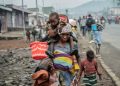














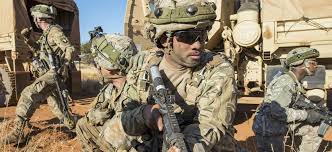


May our generation, and the generations after us, look back with pride, knowing we stood firm for their future. We must fight to secure for them the opportunity to have a place they can truly call home. If we surrender to invaders, we risk losing not only our land, but even the future of our children and any place we can call our own.
This article examines fraud committed against the American people. While the circumstances may differ from other forms of wrongdoing, it points to a broader and more complex challenge and the difficulty of admitting certain immigrants who later adopt positions hostile to the very system that granted them refuge and opportunity.
Minnesota’s Somali community now finds itself at the intersection of welfare statistics, fraud investigations, and political controversy. The facts reveal serious vulnerabilities in public programs and legitimate concerns about accountability. At the same time, they raise difficult questions about integration, equity, and the risks of stigmatizing refugee populations.
For generations, the United States has offered protection, identity, and a fresh start to individuals fleeing persecution and instability in their home countries. This generosity is rooted in the expectation that newcomers will respect the nation’s laws, institutions, and civic values, and contribute positively to society, but however, when some beneficiaries of this openness are perceived to reject those values and act in ways that undermine the trust placed in them.
Congresswoman Ilhan Omar has frequently been cited in public debates surrounding these issues. Various allegations have circulated about her personal history and finances, including claims regarding her marriage and questions about the growth of her wealth over time. While she has denied being a millionaire in public interviews, these matters have remained a source of controversy and political contention.
This discussion is not aimed at Nigeria, but it could be if the government is not fighting back to reclaim Nigeria from invaders. Rather, it highlights a systemic challenge that has strained parts of Europe and is increasingly confronting the United States as well. As America seeks to preserve the integrity of its institutions, it faces the ongoing task of balancing compassion and openness with accountability, integration, and the protection of the values upon which the nation was built.
This focal point in a growing national debate over immigration, public assistance, and government oversight, with the state’s Somali community increasingly at the center of political and public scrutiny. A combination of contested welfare statistics, high-profile fraud cases, and partisan battles has turned Minnesota into a case study in the challenges of refugee integration and accountability in public programs.
At a recent congressional hearing, Rep. Brandon Gill (R-Texas) cited data comparing welfare usage among immigrant and native-born households in Minnesota. According to figures drawn from immigration-focused research organizations, approximately 54 percent of Somali-headed households in the state receive Supplemental Nutrition Assistance Program (SNAP) benefits, compared with about 7 percent of native U.S.-born households. Gill also referenced research suggesting that 81 percent of Somali households rely on some form of welfare, with 78 percent still dependent after ten years in the United States.
These findings argue they highlight long-term dependency and weaknesses in resettlement and employment pathways. Critics counter that such statistics lack broader socioeconomic context, pointing to factors such as language barriers, limited credential recognition, trauma from displacement, and concentrated poverty among refugee populations.
Minnesota is home to the largest Somali diaspora in the United States. By 2018, roughly 43,000 Somali-born residents lived in the state, while nearly 94,000 Minnesotans reported speaking Somali at home. Nationally, Somali-Americans number an estimated 260,000, with significant communities in Ohio, Washington, and California.
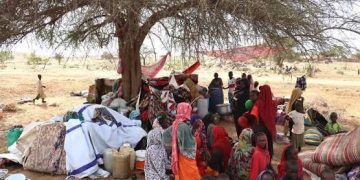
Most Somali immigrants arrived as refugees beginning in the early 1990s, fleeing civil war, famine, and prolonged instability. Over time, many have become naturalized citizens, business owners, community leaders, and elected officials, contributing to Minnesota’s cultural and political landscape. At the same time, the community continues to face economic challenges and heightened public scrutiny.
Minnesota has also been rocked by several major fraud investigations involving public assistance and social service programs, drawing national attention and federal intervention.
Feeding Our Future (FOF): Federal prosecutors allege that individuals connected to the nonprofit fraudulently claimed to have served tens of millions of meals to children during the COVID-19 pandemic, resulting in an estimated $250 million loss to taxpayers. Dozens of defendants have been charged, and multiple convictions have been secured.
Authorities allege widespread abuse involving inflated billing and fraudulent autism treatment providers. Investigators have described the scope of the losses as potentially reaching into the billions of dollars, though cases remain ongoing.
Housing Stabilization Services (HSS): Introduced in 2020, the program’s costs reportedly grew from $2.6 million to more than $120 million annually within five years. State officials later suspended or shut down aspects of the program amid evidence of systemic fraud.
Allegations of improper billing and fraudulent daycare operations have persisted for more than a decade, prompting federal audits and temporary freezes on payments in certain periods.
While individuals from multiple backgrounds have been charged across these cases, the visibility of Somali-run organizations in some investigations has fueled broader public controversy online.
The scandals have spilled into Minnesota’s political arena. Rep. Ilhan Omar (D-Minnesota), one of the first Somali-Americans elected to Congress, has been a frequent target of claims linking her to fraud or personal enrichment. Omar has repeatedly denied such allegations, calling them false and politically motivated. She has defended her legislative record, including her support for pandemic-era nutrition programs later implicated in the Feeding Our Future investigation.
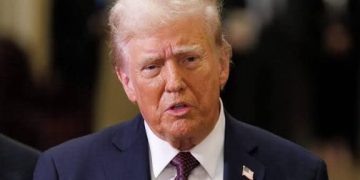
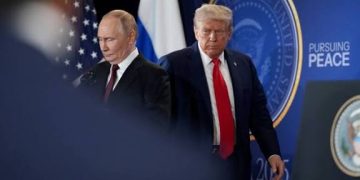
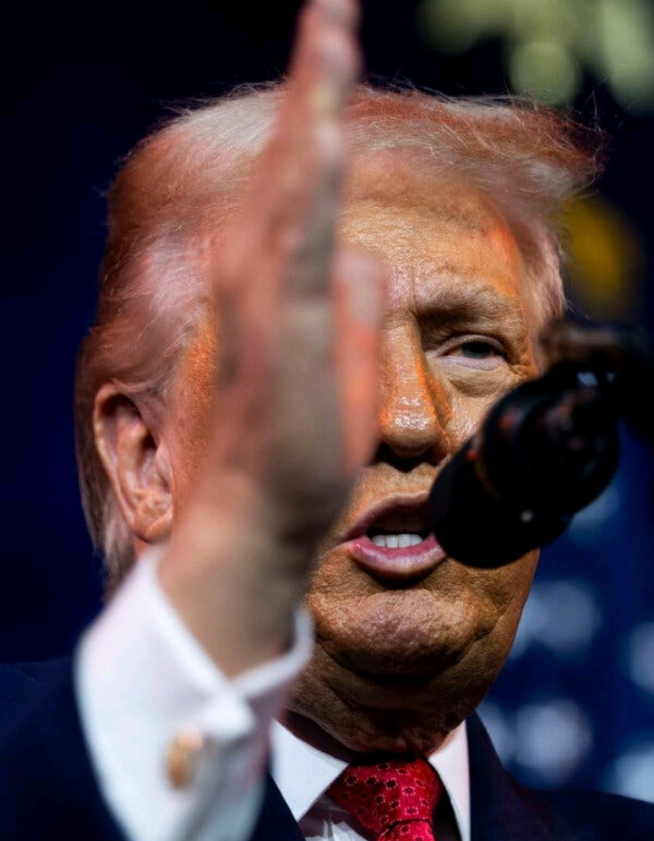
At the national level, refugee policy has also shifted. Under the Trump administration, refugee admissions were reduced to historic lows, reshaping resettlement pathways and intensifying debates over immigration priorities, welfare usage, and national security.
As investigations continue and policy debates intensify, Minnesota stands as a revealing case study, illustrating both the promise and the complexity of refugee resettlement in modern America.
Daniel Nduka Okonkwo is a seasoned writer, human rights advocate, and public affairs analyst known for his incisive commentary on governance, justice, and social equity. Through Profiles International Human Rights Advocate, he champions accountability, transparency, and reform in Nigeria and beyond. With over 1,000 published articles indexed on Google, his work has appeared on Sahara Reporters and other leading media platforms. He is also an accomplished transcriptionist, petition writer, ghostwriter, and freelance journalist, recognized for his precision, persuasive communication, and unwavering commitment to human rights.
📧 Contact: dan.okonkwo.73@gmail.com