


















By Tony Christian
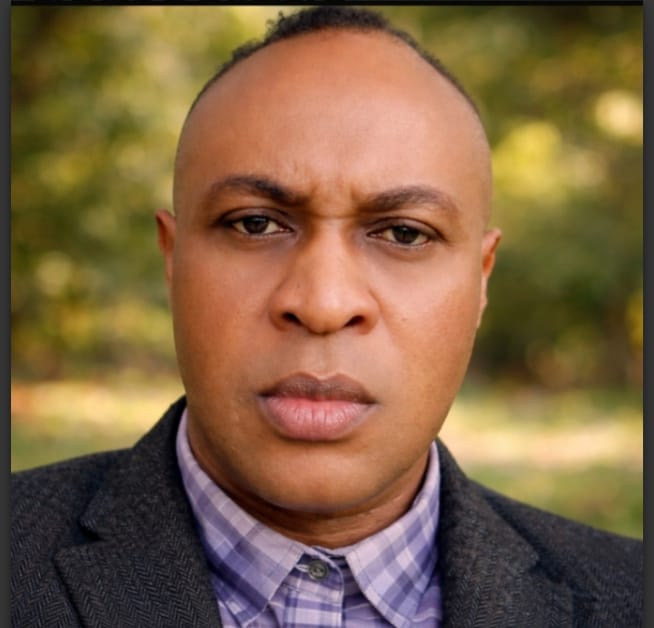
As Daniel Nduka Okonkwo marks another year on November 24, 2026, his career offers a chance to examine investigative journalism in a world confronted by institutional failure, political manipulation, insecurity, corruption, and human rights violations. From Nigeria, Okonkwo has built a body of work that connects domestic governance challenges with wider debates on security, democratic accountability, economic justice, and human dignity.
He is an investigative journalist, human rights advocate, and public affairs analyst, and the founder of Profiles International Human Rights Advocate (PIHRA). His work goes beyond reporting political developments or repeating official statements. It examines the decisions of public institutions, interrogates political power, traces the consequences of government policy, and asks what is owed by those entrusted with public authority.
In Nigeria, where public accountability remains a persistent challenge, investigative journalism sits at the centre of the relationship between citizens and institutions. Public resources, security operations, judicial decisions, government contracts, and fundamental rights all demand scrutiny that goes beyond official explanations.
Okonkwo’s recent work includes an examination of crude-for-loan arrangements in which future oil output is pledged against borrowing, an investigation into Nigeria’s lithium boom and its security implications, and a review of the country’s mounting public debt. Each starts from public records and tests official explanations against them.
His published work is reported to exceed 1,000 articles, appearing across Nigerian and international platforms, including Sahara Reporters, Vanguard, Daily Trust, Africa Defense Forum, Daily Intel, Opinion Nigeria, African Angle, and Local Newsbreak. His Muck Rack profile identifies him as an impeccable investigative journalist.
That breadth reflects issues that cannot be understood through a single lens. Insecurity is not only a military concern. It involves governance, intelligence, public finance, human rights, and the effectiveness of security agencies. Corruption is not merely a financial offence. It weakens public services and democratic institutions and deprives citizens of opportunities that should be theirs. His writing, therefore, asks not only what happened, but who was responsible, which legal framework applies, who bears the consequence,s, and what remedies exist.
Published quarterly by the United States Africa Command (AFRICOM), Africa Defense Forum (ADF) examines African security challenges, including counterterrorism, military operations, civil-military relations, transnational crime, regional stability, and governance. Okonkwo’s contributions place him within that international conversation.
For a Nigerian journalist, the platform allows security questions to be examined beyond domestic political narratives and carries continental perspectives to international security professionals and policymakers. Terrorism, organised crime, illicit financial networks, maritime insecurity, and instability across the Sahel do not respect national boundaries. Understanding them requires linking local conditions to regional developments and international interests.
Modern investigative journalism increasingly requires reporters to follow evidence across jurisdictions. Political influence, financial transactions, lobbying, corporate interests, and diplomatic relationships often operate far from the places where their consequences are felt.
Okonkwo’s November 2026 investigative commentary, Inside Million-Dollar Lobbying Paper Trail, illustrates this expanding interest. It examines the intersection of international lobbying arrangements, foreign criminal records, and access to presidential power, and raises questions central to accountability journalism. Who finances political influence? What services do lobbying agreements purchase? What background checks are conducted? What transparency should citizens expect when foreign interests seeking access to political leadership intersect with public office?
Such questions demand documentary examination, careful attribution, and a clear line between allegations, contractual arrangements, facts, and conclusions that the evidence supports. The task is not only to identify connections but to establish what the records demonstrate and keep conclusions proportionate. That discipline is essential where powerful individuals, foreign institutions, and sensitive political relationships are involved.
Beyond domestic politics, Okonkwo’s writing engages Africa’s position in the international economic and political order. In his commentary on leadership, natural resources, and international economic interests, he examines the relationship between distorted perceptions of the continent, its vast resource base, and the responsibilities of African governments.
The argument moves past celebrating Africa’s potential. It asks why a continent so richly endowed continues to experience widespread poverty, inadequate infrastructure, economic dependency, and weak institutions, and it challenges African governments to examine their own responsibilities rather than blame every failure on external forces. Correcting international perceptions must go hand in hand with strengthening institutions, building industrial capacity, and creating governments able to turn natural wealth into public prosperity. Resource extraction, foreign investment, and public contracts affect millions of lives, which is why they belong within investigative journalism.
His commentary also reaches the global digital economy. In The Trillion-Dollar Business of a Hyperconnected, Content-Driven World That Created a Generation of Lonely People, he examines the commercial exploitation of human attention and the weakening of social relationships.
As founder of PIHRA, Okonkwo built a platform for documenting human rights issues, examining governance, and promoting institutional accountability. It rests on the understanding that rights protection cannot be separated from the conduct of public institutions, the administration of justice, and the availability of effective remedies. It also gives space to individuals and communities who might otherwise struggle to attract sustained public attention.
That mission carries editorial duties. Human rights journalism must separate allegations from established findings, examine documentary evidence, and give due weight to the people whose experiences anchor an investigation. Accountability cannot rest on accusation alone. It requires evidence, fairness, and persistence, applied to all parties regardless of political influence.
Digital publishing has made it easier to distribute work internationally, but visibility does not establish credibility. The lasting value of investigative journalism rests on accuracy, independence, verification, and the ability to withstand scrutiny. For Okonkwo, the challenge is to pair investigative depth with responsible reporting.
Journalism is not a substitute for the courts, law enforcement agencies, or democratic institutions. Its task is to uncover information, illuminate matters of public interest and equip citizens with the facts needed to demand accountability, a task that grows more urgent as misinformation and propaganda shape public discourse.
Okonkwo’s work has not been built in isolation. Sahara Reporters, Opinion Nigeria, Daily Intel, African Angle, and Africa Defense Forum gave his reporting and analysis the reach to find readers across Nigeria, Africa, and the wider international community.
Among those who supported him, Omoyele Sowore, founder of Sahara Reporters, stands out for the encouragement and opportunities that contributed to Okonkwo’s development in the media space. That contribution deserves recognition.
On November 24, Daniel Nduka Okonkwo marks another birthday, an occasion to reflect on the responsibilities that accompany a career in investigative journalism and human rights advocacy. His journey connects Nigerian public affairs with wider African and international conversations about governance, security, economic sovereignty, and human dignity.
The worth of such a career is measured not by the number of articles published or the platforms on which they appear, but by the quality of the evidence presented, the questions raised, the voices brought into public discussion and the contribution made to a more accountable society.
As he enters another year, the assignment remains clear: to investigate carefully, write courageously, uphold independence, and insist that public authority be matched by public responsibility.
Happy birthday, Daniel Nduka Okonkwo. May the years ahead bring greater opportunities, stronger journalism, and an enduring commitment to truth, justice, and accountability across Nigeria, Africa, and the international community.
About the Author
Tony Christian is an Abuja-based Nigerian investigative journalist, media entrepreneur, and the Publisher and Editor-in-Chief of Daily Intel Newspaper and SubNews Magazine.