






























By Dr. Jumai Ahmadu
Abuja’s development must be understood through the quality of life available to its residents. The attention now being given to healthcare, education and other essential services deserves recognition because these are the areas in which people experience government most personally. A family’s confidence in a public hospital or school says much about how effectively development is reaching ordinary citizens.
In continuing the conversation on development beyond infrastructure, I believe the FCT Minister’s growing emphasis on social services is particularly significant. It connects the visible transformation of the territory with the welfare of the people who live in it. Investment acquires lasting value when the facilities provided are supported by services that residents can use with confidence.
Healthcare brings this relationship into clear focus. Renovating public hospitals, improving diagnostic facilities and upgrading theatres can strengthen the conditions under which medical professionals care for patients. For someone seeking treatment, the concern is whether the required service is available and accessible. Functioning equipment and properly supported health workers are therefore central to the purpose of any hospital investment.
The renewed commitment to completing Utako General Hospital deserves commendation within this wider understanding of development. Its eventual completion, equipping and staffing would expand the availability of public healthcare. Bringing an abandoned facility into use also restores the social purpose for which public resources were committed in the first place. The benefit will ultimately be measured in the care available to the communities it serves.
Affordability matters just as much as availability. An unexpected illness can place considerable pressure on a household’s finances, particularly where income is already stretched. Sustaining health insurance arrangements alongside improvements in public hospitals recognises this reality. Accessible care helps families protect their wellbeing while preserving the resources they need for education and other necessities.
Education carries an equally strong social responsibility. Public schools provide opportunities for children whose circumstances should never determine the limits of their aspirations. Improved classrooms and instructional materials contribute to the conditions for learning, while examination materials support the daily work of the school system. These investments matter because they help public education fulfil its responsibility to the children entrusted to it.
A dependable public school also offers reassurance to parents. It gives families confidence that their children can receive a sound education within their communities. The attention being given to public education in the FCT should therefore be appreciated as an investment in future opportunity. Its importance extends well beyond the school premises into the prospects of young people and the families supporting them.
Justice is another public service with a direct bearing on social wellbeing. People approach the courts to protect their rights and resolve disputes that may affect their homes, livelihoods or relationships. Improving court records and case management through digital processes can make the administration of justice more reliable. The value of such reform lies in how well it supports the people seeking lawful resolution of their concerns.
Security also shapes the freedom with which residents conduct their daily lives. Bringing policing closer to developing communities can support confidence among families and businesses. The commitment to providing security facilities at Wasa, alongside preparations for the relocation of mechanics and artisans, reflects attention to the conditions in which economic activity can thrive. Planning for livelihoods should include the services that help people pursue them safely.
Safe water and environmental maintenance belong firmly within this discussion. Properly treated water protects public health, while maintained waterways reduce the dangers associated with blocked drainage. These services require sustained attention because their effects reach directly into homes and communities. Their importance is especially apparent when a breakdown disrupts daily life or exposes families to preventable harm.
The social value of development must also reach rural and satellite communities. Residents outside the city centre need access to essential services and opportunities within reasonable reach. Electricity provision can support local enterprise and improve household conditions. When it complements better access and public services, it helps more communities participate in the territory’s development.
These interventions reinforce one another. A child who enjoys good health is better placed to benefit from education. A household with access to safe water faces fewer threats to its wellbeing. A secure community gives residents greater confidence to work and invest. This relationship explains why attention to social services strengthens the value of the wider development programme.
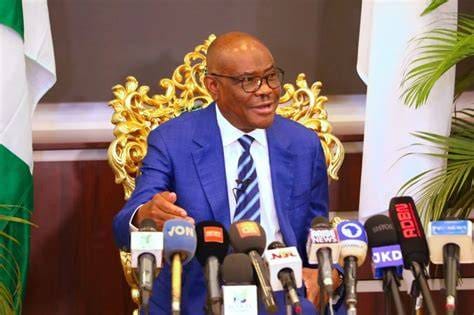
The FCT Minister deserves commendation for giving greater attention to this human dimension of governance. The commitment to improving public hospitals and strengthening other essential services recognises that residents need dependable institutions throughout their lives. Sustaining this direction will require the same attention to service delivery that has driven the provision of physical facilities.
For me, development beyond infrastructure means that progress becomes increasingly evident in people’s daily experiences. As these interventions take effect, the promise is better care for patients, stronger opportunities for children and more dependable support for communities. That is the lasting social value Abuja’s continuing transformation should deliver.
Dr. Jumai Ahmadu is the Director, Reform Coordination and Service Improvement Department, FCTA