











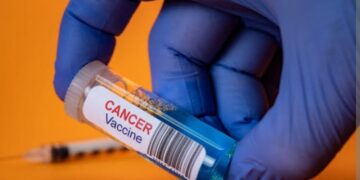





















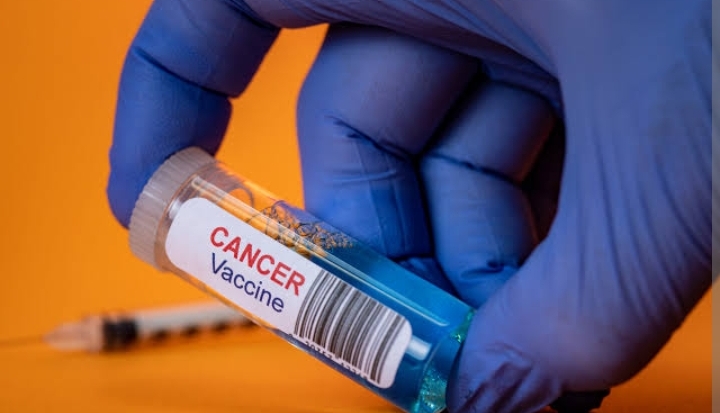
A personalised cancer vaccine has shown promising results after the trial proved to have reduced the risk of melanoma returning or causing death by 42 per cent when combined with immunotherapy, a report by united States pharmaceutical companies Moderna and Merck has stated.
Melanoma is a type of cancer, typically skin cancer that develops from the melanin-producing cells known as melanocytes. It typically occurs in the skin, but may rarely occur in the mouth, intestines, or eye (uveal melanoma). In very rare cases melanoma can also happen in the lung, which is known as primary pulmonary melanoma and only happens in 0.01% of primary lung tumor.
According to the Phase 3 trial involving 1,137 patients whose high-risk melanoma had been surgically removed, patients who received the experimental vaccine, intismeran autogene, alongside Merck’s immunotherapy drug pembrolizumab had better outcomes than those given pembrolizumab alone.
Professor Georgina Long, medical director of Melanoma Institute Australia and the trial’s global principal investigator, described the findings as “a foundational shift in our approach to cancer”.
The vaccine uses messenger RNA (mRNA) technology to help the immune system recognise mutations unique to a patient’s tumour and target remaining cancer cells.
Researchers are investigating whether the approach could benefit patients with other cancers. However, the vaccine remains experimental and is not yet approved for routine use.
While the findings offer hope for personalised cancer treatment, further research is needed to establish long-term benefits, affordability and wider clinical applications.