




• About Us
  • Advertise With Us
  • Contact Us
  • Donate
Thursday, September 24, 2026
Daily Intel Newspapers
  • Login
  • Welcome
  • Special reports
    • All
    • Unedited for the record
    Screenshot

    Jehovah Witness makes U-turn on blood transfusion, says members can now donate and be donated for

    images (40)

    National Assembly transmits 2026 constitution amendment bill to states, sets 30 days target

    Screenshot

    UK break-up: Chekwas Okorie defend Biafra agitators, calls for dialogue

    TB_transmission

    New tuberculosis vaccines to be available from 2029- Gavi 

    Screenshot

    UK may be heading for breakup after Scottish, Welsh, Irish meeting ends in affirmation

    uk-pm--andy-burnham-201346595-16x9

    Scotland, Wales, Northern Ireland leaders meet on Monday to discuss UK breakup

  • Metro News
    Screenshot

    Apo-Karshi, Bwari-Kubwa roads to be ready soon, says Wike

    Buy-A-Car-And-Pay-In-Monthly-Installment-Guide-In-Nigeria

    Wike ban use of green areas in FCT as car dealers stand

    IMG-20260613-WA0004

    Court convict motorist for assaulting FRSC mashal, dangerous driving in Abuja

    6953820_everytaxiinabujamustbeairconditionedbyoctoberfctalailasnews3600x300_jpeg46064d76500186bd9ed8eedee28ff7f4

    Tinubu’s harsh economic policies pushing us into cab driving- Abuja civil servants

    FCT NAWOJ demands justice for women

    FCT NAWOJ demands justice for women

    FCT suspends riders, drivers  levy over multiple taxation complaints

    FCT suspends riders, drivers levy over multiple taxation complaints

  • Latest News
    • All
    • Crime watch
    Screenshot

    Apo-Karshi, Bwari-Kubwa roads to be ready soon, says Wike

    images (50)

    We received 49,673 petitions, secured 10,872 conviction in 34 months — EFCC

    Screenshot

    Ebonyi assembly reviews salaries of LG chairmen, DC coordinators

    Screenshot

    US judge blocks White House ban on CNN, MS NOW, Politico

    IMG-20260923-WA0007

    FG lament abandoned housing projects amid souring deficit

    Screenshot

    ICC convicts ex-Central Africa rebel leader for crimes against humanity

    Trending Tags

  • Infotech
    ae4a9a74-jamb-center

    Kano govt launches N27.8bn ICT, CBT project to take digital exams to grassroots

    images (31)

    NASENI to empower women, youths through capacity-building orogrammes in Kano

    smart-tv

    FG unveils freeTV with over 100 free channels

    Nigerian-telecom

    No excuse for poor network delivery, FG tells telecom Operators

    Amazon turns to artificial intelligence after cutting 16,000 jobs.

    Amazon turns to artificial intelligence after cutting 16,000 jobs.

    Cyber attack disrupts European airports

    Cyber attack disrupts European airports

  • World conflict & diplomacy
    Screenshot

    US slams visa restrictions on South Africa nationals, citing land seizures, racial policies

    images (31)

    Saudi Arabia shuts key oil pipeline after Iraqi drone attack

    images (28)

    Spanish lawmakers back law granting citizenship to Western Saharans

    images (25)

    Israel asks Britain to close East Jerusalem consulate within 30 days

    images (15)

    US strikes Iran for first time in a month

    AFP__20260801__C3QK8ZU__v1__MidRes__UkraineRussiaConflictWar-768x512

    Russia denies using Colombian mercenaries in Ukraine war

  • Africa
    Screenshot

    ICC convicts ex-Central Africa rebel leader for crimes against humanity

    images (48)

    Nigeria’s North-West stability crucial to West Africa, Sahel, says UN

    Screenshot

    DR Congo school fire stampede death toll rises to 26 – UNICEF

    Screenshot

    Burundians rush to leave Kenya after crackdown on businesses

    images (12)

    Ebola: Teachers, parents fear school reopening in eastern DRC

    images (11)

    US set to withdraw 200 troops from Nigeria- report

No Result
View All Result
  • Welcome
  • Special reports
    • All
    • Unedited for the record
    Screenshot

    Jehovah Witness makes U-turn on blood transfusion, says members can now donate and be donated for

    images (40)

    National Assembly transmits 2026 constitution amendment bill to states, sets 30 days target

    Screenshot

    UK break-up: Chekwas Okorie defend Biafra agitators, calls for dialogue

    TB_transmission

    New tuberculosis vaccines to be available from 2029- Gavi 

    Screenshot

    UK may be heading for breakup after Scottish, Welsh, Irish meeting ends in affirmation

    uk-pm--andy-burnham-201346595-16x9

    Scotland, Wales, Northern Ireland leaders meet on Monday to discuss UK breakup

  • Metro News
    Screenshot

    Apo-Karshi, Bwari-Kubwa roads to be ready soon, says Wike

    Buy-A-Car-And-Pay-In-Monthly-Installment-Guide-In-Nigeria

    Wike ban use of green areas in FCT as car dealers stand

    IMG-20260613-WA0004

    Court convict motorist for assaulting FRSC mashal, dangerous driving in Abuja

    6953820_everytaxiinabujamustbeairconditionedbyoctoberfctalailasnews3600x300_jpeg46064d76500186bd9ed8eedee28ff7f4

    Tinubu’s harsh economic policies pushing us into cab driving- Abuja civil servants

    FCT NAWOJ demands justice for women

    FCT NAWOJ demands justice for women

    FCT suspends riders, drivers  levy over multiple taxation complaints

    FCT suspends riders, drivers levy over multiple taxation complaints

  • Latest News
    • All
    • Crime watch
    Screenshot

    Apo-Karshi, Bwari-Kubwa roads to be ready soon, says Wike

    images (50)

    We received 49,673 petitions, secured 10,872 conviction in 34 months — EFCC

    Screenshot

    Ebonyi assembly reviews salaries of LG chairmen, DC coordinators

    Screenshot

    US judge blocks White House ban on CNN, MS NOW, Politico

    IMG-20260923-WA0007

    FG lament abandoned housing projects amid souring deficit

    Screenshot

    ICC convicts ex-Central Africa rebel leader for crimes against humanity

    Trending Tags

  • Infotech
    ae4a9a74-jamb-center

    Kano govt launches N27.8bn ICT, CBT project to take digital exams to grassroots

    images (31)

    NASENI to empower women, youths through capacity-building orogrammes in Kano

    smart-tv

    FG unveils freeTV with over 100 free channels

    Nigerian-telecom

    No excuse for poor network delivery, FG tells telecom Operators

    Amazon turns to artificial intelligence after cutting 16,000 jobs.

    Amazon turns to artificial intelligence after cutting 16,000 jobs.

    Cyber attack disrupts European airports

    Cyber attack disrupts European airports

  • World conflict & diplomacy
    Screenshot

    US slams visa restrictions on South Africa nationals, citing land seizures, racial policies

    images (31)

    Saudi Arabia shuts key oil pipeline after Iraqi drone attack

    images (28)

    Spanish lawmakers back law granting citizenship to Western Saharans

    images (25)

    Israel asks Britain to close East Jerusalem consulate within 30 days

    images (15)

    US strikes Iran for first time in a month

    AFP__20260801__C3QK8ZU__v1__MidRes__UkraineRussiaConflictWar-768x512

    Russia denies using Colombian mercenaries in Ukraine war

  • Africa
    Screenshot

    ICC convicts ex-Central Africa rebel leader for crimes against humanity

    images (48)

    Nigeria’s North-West stability crucial to West Africa, Sahel, says UN

    Screenshot

    DR Congo school fire stampede death toll rises to 26 – UNICEF

    Screenshot

    Burundians rush to leave Kenya after crackdown on businesses

    images (12)

    Ebola: Teachers, parents fear school reopening in eastern DRC

    images (11)

    US set to withdraw 200 troops from Nigeria- report

No Result
View All Result
Daily Intel Newspapers
No Result
View All Result
Home Opinion

Military dictatorship was brutal, but civilian rule in Nigeria has become increasingly hostile to freedom of speech

Daily Intel Newspaper by Daily Intel Newspaper
August 6, 2026
IMG-20260702-WA0034
Share on FacebookShare on TwitterChat With Us Live

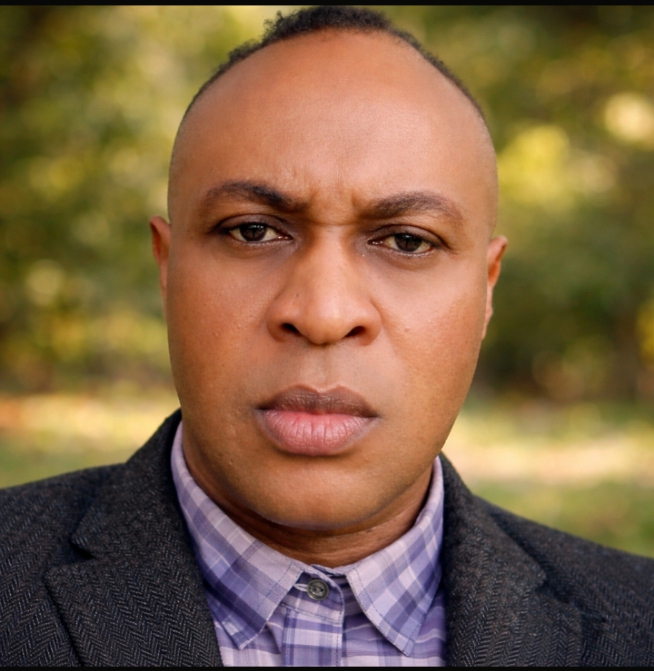
By Daniel Nduka Okonkwo

Freedom of speech stands as one of the most fundamental pillars of any functioning democracy, granting citizens the right to share ideas, voice dissent, and hold power accountable without fear of government reprisal. In Nigeria, this right is not a mere aspiration but a constitutional guarantee, enshrined in Section 39 of the 1999 Constitution as amended. The provision protects the freedom to hold opinions and to receive and impart information and ideas without interference, extending beyond spoken and written words to cover art, music, symbolic protest, and the exchange of news across every available platform. It also affirms the right of citizens to establish media outlets, print or digital, while placing broadcast licensing under presidential or legislative authorization. The mass media, under this framework, is expected to serve as a check on government excess, holding leaders accountable to the people they serve.

Nigeria’s democracy is teetering between promise and peril. Once liberated from the iron fists of military juntas, the nation now finds its voice throttled by civilian laws masquerading as guardians of order. This is not democracy fulfilled but democracy betrayed, a betrayal that stains Nigeria’s global reputation, chills investor confidence, and suffocates innovation. Yet Nigerians have never been passive victims of silence. From the brutal censorship of the military era to the hard-won freedoms enshrined in the constitution, citizens have fought relentlessly to reclaim their right to speak, to protest, and to demand accountability. Today, through public advocacy, strategic litigation, and legislative lobbying, ordinary people wield the tools of democracy to resist repression and insist that freedom of expression is not a privilege granted by the state, but a right that defines it.

Yet as with most constitutional freedoms, this right is not absolute. Section 39(3) and Section 45 permit lawful restrictions where necessary for defense, public safety, public order, public morality, public health, or the protection of the rights and reputation of others. The law also allows for limitations tied to judicial independence, broadcasting regulation, confidentiality in certain relationships, and special conduct rules for government workers, security personnel, and the armed forces. In principle, these exceptions mirror standards found in many democracies. In practice, however, the space between legitimate regulation and outright suppression has become dangerously thin in Nigeria.

The most contested flashpoint in this struggle has been the Cybercrimes Prohibition and Prevention Act of 2015, particularly Section 24, and its subsequent amendment in 2024. The original provision criminalized the transmission of messages considered annoying, insulting, or offensive through computer networks, a definition so broad that it became a convenient tool for silencing journalists, bloggers, and ordinary citizens critical of those in power. Provisions penalizing the spread of false information compounded the danger, as government actors could brand legitimate investigative journalism or public criticism as falsehood, triggering arrest rather than rebuttal. The vagueness of the law gave powerful individuals a shortcut past civil defamation proceedings, allowing them instead to petition security agencies directly for the swift detention of their critics.

The abuse of this legislation did not go unchallenged. In 2022, the ECOWAS Court of Justice ruled that Section 24 of the 2015 Act violated the right to freedom of expression and ordered the Nigerian government to bring the law into compliance. Four years later, the National Assembly passed the Cybercrimes Amendment Act of 2024, removing the ambiguous language around annoying or insulting communication and narrowing the scope of the offense largely to messages intended to incite a breakdown of law and order or to issue explicit threats. Civil society organizations and legal advocates have cautiously welcomed the amendment while warning that residual ambiguities still leave room for misuse against digital activists, journalists, and everyday citizens exercising their constitutional rights.

The pattern of repression extends well beyond legislation. Independent journalists and media houses in Nigeria continue to face physical intimidation, arbitrary arrest, and equipment seizure when reporting on sensitive political or corruption stories. Archaic penal code provisions on sedition, defamation, and insulting public officials remain in active use against whistleblowers and dissenting voices. Proposed social media and hate speech bills continue to resurface in the legislature, each carrying the potential for harsher penalties and greater state control over public commentary. Security agencies, meant to protect citizens, have at times overstepped their legal mandate, treating legitimate criticism of political leadership as a threat to national security rather than an exercise of civic duty.

Those responsible for this pattern of repression span multiple layers of Nigerian society. Operatives within the police and intelligence services have frequently served as instruments of state control, executing arrests of bloggers, whistleblowers, and protesters. Political authorities and public officials have leaned on state apparatus, restrictive statutes, and outright intimidation to suppress opposition voices and shrink civic space. Beyond government actors, influential elites have exploited the legal system itself, filing expensive civil and criminal defamation suits designed less to seek justice than to exhaust and silence investigative journalists and ordinary citizens who dare to speak out.

Government officials, for their part, insist that Nigeria’s democratic commitments remain intact. The Minister of Information has maintained that no broadcast stations have been shut down for expressing dissent, while President Bola Ahmed Tinubu has publicly affirmed that democracy is built on the foundation of free speech, even as he cautions that this freedom does not extend to defamation or the deliberate spread of falsehood. These assurances, however, sit uneasily alongside Nigeria’s standing on the global stage. The country currently ranks 112th out of 180 nations on the World Press Freedom Index compiled by Reporters Without Borders, scoring 48.11 out of 100 points and falling into the category of a difficult environment for journalism and civic expression. This marks a ten-place improvement from Nigeria’s 122nd position in 2025, though the country remains, in the words of the RSF report, one of West Africa’s most dangerous and difficult countries for journalists, who continue to be monitored, attacked, and arbitrarily arrested.

The consequences of this ranking extend far beyond symbolism. A poor press freedom record undermines Nigeria’s claim to democratic leadership in West Africa, complicates comparisons with neighboring states undergoing their own political transitions, and strains diplomatic relationships with Western allies and international watchdogs who increasingly tie aid, cooperation, and trust to demonstrable respect for free expression. The economic toll is equally significant. Foreign investors and businesses generally favor environments where transparent, independent information flows freely and without state interference. Regulatory unpredictability created by laws like the Cybercrimes Act discourages international technology and media partnerships, while ongoing repression limits Nigeria’s potential to establish itself as a genuine hub for free press and creative economic activity in the region.

Still, there remains room for cautious optimism. Domestic advocacy, public interest litigation, and sustained legislative lobbying by Nigerian civil society groups signal to the international community that the country’s democratic institutions retain the capacity for self-correction. Successful legal challenges, such as the ECOWAS Court ruling that forced amendment of the Cybercrimes Act, demonstrate that Nigeria’s judiciary and civic actors can push back against executive and legislative overreach. This resilience, more than any official statement, may ultimately determine whether Nigeria closes the gap between its constitutional promises and its lived reality of press freedom.

Daniel Nduka Okonkwo is an investigative journalist, human rights advocate, and policy analyst based in Abuja, Nigeria. He is the publisher of Profiles International Human Rights Advocate, a platform focused on accountability journalism, governance reporting, and the documentation of human rights issues across Africa. His work examines the intersection of political power, institutional accountability, systemic failure, and the human impact of corruption, with particular focus on Nigeria and the wider African continent.
Okonkwo’s reporting and analysis have been published in Sahara Reporters, African Defence Forum, Daily Trust, Vanguard, Daily Intel, Opinion Nigeria, African Angle, Local Newsbreak, and other international media outlets. His work is driven by a commitment to transparency, democratic governance, and justice. He also collaborates with Daniels Entertainment on human rights initiatives, extending his advocacy beyond traditional journalism into broader public engagement.
He is based in Abuja, Nigeria, and can be reached at dan.okonkwo.73@gmail.com.
Share188Tweet117SendShare
Support Us Support Us Support Us
Daily Intel Newspaper

Daily Intel Newspaper

Next Post
images (23)

Tinubu orders the unfreezing of Osun state account, distance self from EFCC action

Leave a Reply Cancel reply

Your email address will not be published. Required fields are marked *

POPULAR POST

  • JUST IN: Tinubu directs Civil Defence to take over the protection of VIPs, orders withdrawal of police personnel 

    How Tinubu’s administration paid billions of naira for the release of Niger State kidnapped schoolchildren

    883 shares
    Share 353 Tweet 221
  • CBN gives Moniepoint, OPay, others go ahead to onboard new customers

    816 shares
    Share 326 Tweet 204
  • National Academy of Sciences endorses embryonic engineering

    671 shares
    Share 268 Tweet 168
  • South-East importers, exporters threaten strike over Nigerian Shippers’ Council’s 200% rates hike

    654 shares
    Share 262 Tweet 164
  • BREAKING: President Tinubu approves the reappointment of Adaji as DG of NBC

    645 shares
    Share 258 Tweet 161

STAY CONNECTED

Follow Us

Categories

  • Africa
  • Aviation
  • Business
  • Citizen reporter
  • Corruption
  • Crime watch
  • Culture
  • Document
  • Education
  • Entertainment
  • Exclusive
  • Featured
  • Finance & economy
  • Foreign News
  • Health
  • Human rights & the people
  • Infotech
  • Interviews
  • Investigation
  • Judiciary
  • Latest News
  • Maritime
  • Metro News
  • News
  • Oil & gas
  • Opinion
  • Politics
  • Promoted
  • Science & Technology
  • Special reports
  • Special updates
  • Sports
  • Unedited for the record
  • World conflict & diplomacy

LATEST NEWS

Screenshot

Apo-Karshi, Bwari-Kubwa roads to be ready soon, says Wike

September 24, 2026
images (50)

We received 49,673 petitions, secured 10,872 conviction in 34 months — EFCC

September 24, 2026
  • About Us
  • Advertise With Us
  • Contact Us
  • Donate

© 2025 All Rights Reserved Daily Intel Newspapers

No Result
View All Result
  • Home
  • Special reports
  • Special updates
  • World conflict & diplomacy
  • Infotech
  • Metro News
  • Latest News
    • Human rights & the people
    • Unedited for the record
    • Judiciary
  • Finance & economy
  • Exclusive
  • Africa
  • Document
  • Education
  • Entertainment
  • Infotech
  • Investigation
  • Science & Technology
  • Aviation
  • Sports
  • Business
  • Culture
  • Finance & economy
  • Foreign News
  • Health
  • Corruption
  • Promoted
  • Crime watch

© 2025 All Rights Reserved Daily Intel Newspapers

Welcome Back!

Login to your account below

Forgotten Password?

Retrieve your password

Please enter your username or email address to reset your password.

Log In