




























By Georgina George
The Nigerian Content Development and Monitoring Board (NCDMB) and UN Women are exploring ways to increase women’s participation in Nigeria’s oil and gas industry, with a focus on improving access to a $40 million financing facility for women-owned and women-led businesses.
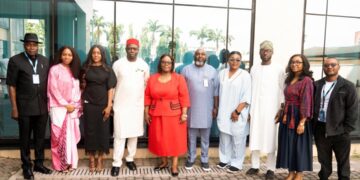
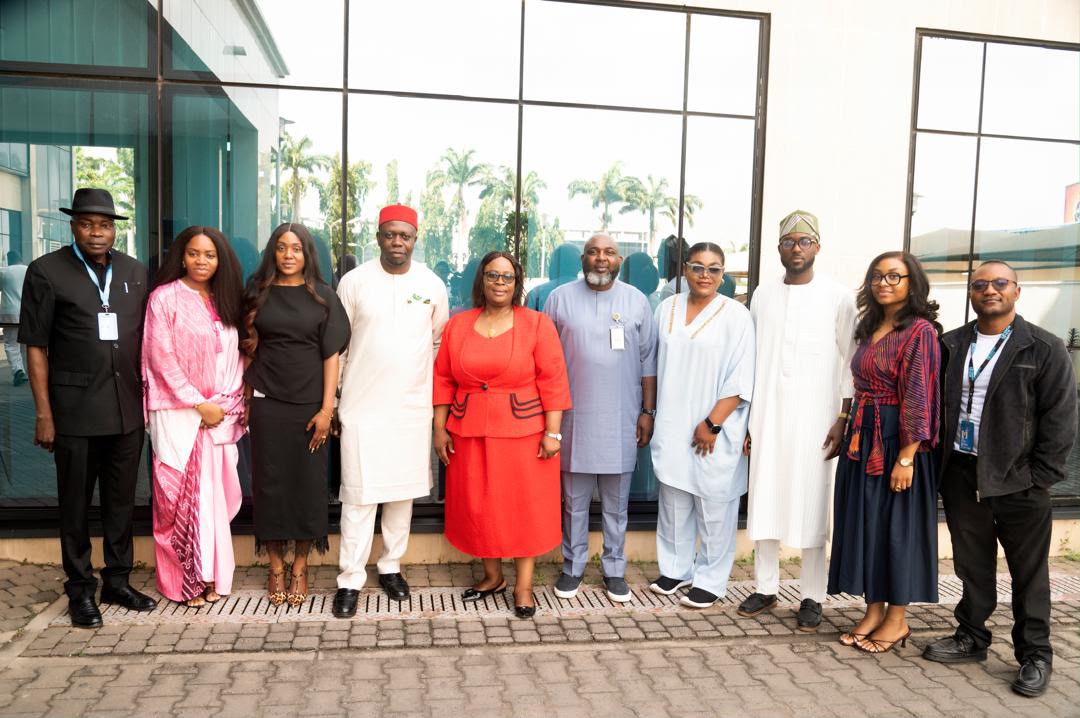
The initiative was discussed on Thursday when UN Women’s Country Representative to Nigeria and ECOWAS, Beatrice Eyong, led a delegation to the NCDMB liaison office in Abuja. The team was received by the Board’s General Manager of Corporate Communications, Dr. Obinna Ezeobi, on behalf of the Executive Secretary, Engr. Felix Omatsola Ogbe.
The fund, established in April 2021, comprises $20 million from the NCDMB and a matching $20 million contribution from the Nigerian Export-Import Bank (NEXIM). Despite offering loans at a competitive five per cent interest rate, uptake has remained below expectations.
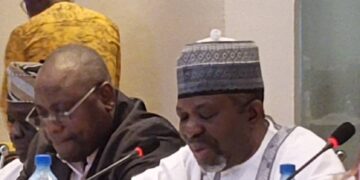
Discussions centred on identifying barriers preventing women from accessing the facility, including documentation requirements, business registration, tax compliance and limited awareness.
The proposed collaboration will also explore capacity-building programmes, vendor development, improved access to industry opportunities and affirmative procurement measures for women-owned businesses.
Eyong commended the NCDMB’s existing gender inclusion efforts and proposed a study to establish why more women have not benefited from the financing scheme. She also highlighted UN Women’s programmes on women’s economic empowerment, leadership development and the elimination of gender-based violence.
Ezeobi reaffirmed the Board’s readiness to collaborate with UN Women, highlighting initiatives such as the financing scheme with NEXIM, the Diversity Sectoral Working Group under the Nigerian Content Consultative Forum and support for women’s associations across the energy value chain.
He added that the NCDMB had invested in training women entrepreneurs and business leaders in corporate governance, business sustainability and strategic management, while promoting women’s participation in technical roles and encouraging girls to pursue careers in science, technology, engineering and mathematics (STEM).
However, Ezeobi acknowledged that women remain underrepresented in the industry due to limited access to technical education, finance and commercial opportunities, as well as perceptions of oil and gas as a predominantly male sector.