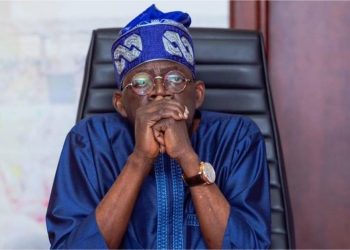


















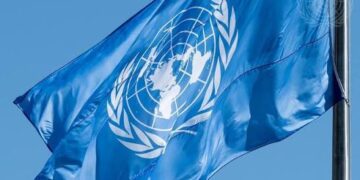



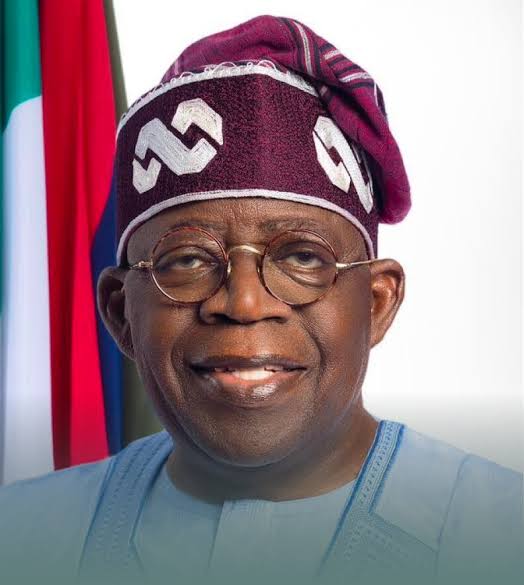
The UN General Assembly is entering its final days in New York, and for the third year running, Nigeria’s president is not in the room. President Bola Tinubu has chosen to spend this year’s high-level week in Paris, on what his office describes as a working vacation, while Vice President Kashim Shettima reads Nigeria’s national statement in his place. It is worth pausing on that fact rather than rushing past it, because it says something about how this administration weighs the country’s standing in the world.
Tinubu did attend the General Assembly once, in 2023, shortly after taking office. He arrived in New York, delivered the national statement himself, and for a moment it looked as though Nigeria intended to reassert itself at the top table of global diplomacy. Since then, nothing. Not in 2024, not in 2025, and now not in 2026, despite months of assurances from Nigeria’s own ambassador to the UN that the president had “generously agreed” to attend and even had a seat arranged near Donald Trump. That promise dissolved into another absence, and the explanation offered for it, that a fifteen minute speaking slot was not worth the trip, will strike most Nigerians as an odd thing to say about the world’s largest annual gathering of heads of state.
The bigger loss is not the missed photograph. It is the missed argument. This year’s General Assembly runs alongside a dense calendar of bilateral meetings, investment forums, and side events where leaders quietly do the work that speeches from the podium only gesture at. Almost 130 heads of state and government made the trip to New York this week. Those conversations, the ones that happen in hotel suites and hallway pull asides rather than in front of cameras, are where debt relief gets discussed, where security partnerships take shape, and where a president can make the case for his country’s economic reforms directly to the investors and counterparts who matter most. A vice president can read a statement with dignity and competence, and Shettima by most accounts has done so. But he cannot substitute for the president in a private meeting where the other side expects to be speaking to the person who actually holds the pen.
That distinction matters more for Nigeria than for most countries at the Assembly. Tinubu’s government has staked its legitimacy on an economic reform programme, the removal of the fuel subsidy, currency unification, and a promise that the pain of adjustment will eventually produce growth investors can believe in. Selling that story requires more than a technocratic case. It requires a head of state willing to stand in front of sceptical capital and vouch for his own policies. Nigeria’s own UN representative said as much back in July, describing the planned UNGA appearance as the moment for the president to explain “the reform success in Nigeria” to the world. That opportunity has now passed for a third consecutive year, handed instead to a deputy who did not design the reforms and cannot speak to them with the same authority.
There is also the question of what Nigeria’s absence signals to its own region. Continental rivals were in the room this week making their pitches. South Africa’s president was there. So was Kenya’s. Nigeria likes to describe itself as the natural leader of the African bloc at the UN, the country whose population and economy entitle it to a seat at the Security Council table it has long lobbied for. That claim becomes harder to sustain when the man making it cannot be bothered to show up for the one week each year when the whole world’s attention turns to that very building. Diplomacy runs on presence as much as on policy. Allies notice who sends a deputy and who sends a head of state, and they adjust their own attention accordingly.
None of this means Shettima has performed poorly, or that a president is obligated to attend every summit on the calendar. Leaders skip international gatherings for good reasons all the time, and Tinubu’s aides are right that physical absence from New York is not, by itself, evidence of a weakened presidency. But three years of pattern is no longer circumstance. It is a choice, and choices have consequences. Nigeria arrived at this UNGA needing champions for its reform story and its Security Council ambitions. It left, once again, having sent someone else to make the case.
If there is a lesson in this year’s absence, it is that credibility abroad is not banked once and spent freely afterward. It has to be renewed, in person, in the rooms where the decisions that affect ordinary Nigerians, on debt, on trade, on migration policy, actually get shaped. Tinubu still has time to change the pattern before next September. Whether he will is, at this point, an open question that Nigeria’s foreign policy establishment would do well to start asking out loud.