

































The Vaccine Alliance (Gavi) estimates that the next-generation tuberculosis vaccines due to be released from 2029 will save about 7.3 million lives globally between 2030 and 2050.
Gavi, added that the vaccines would generate up to $135 billion in economic benefits for low- and middle-income countries by 2050, stressing that it would support efforts to combat antimicrobial resistance.
The development was disclosed in its Early Market Shaping Roadmap for novel TB Vaccines, published on Monday in Geneva, Switzerland.
“New tuberculosis (TB) vaccines, which are expected to become available from 2029, could help save up to an estimated 7.3 million lives between 2030 and 2050, unlocking up to US$ 135 billion in economic benefits across low- and middle-income countries, according to new analysis on their potential impact.
“These benefits highlight the potential for new TB vaccines to become one of the most impactful new immunisation tools in decades, representing a breakthrough technology in fighting the world’s deadliest infectious disease.” Gavi stated.
Gavi, however, advised that action is urgently required to prepare governments and vaccine manufacturers for the arrival of the vaccines.
Gavi CEO, Sania Nishtar, explained that, “Novel TB vaccines could be the next blockbuster immunisation tool, however they will only realise their potential if we can ensure sufficient, predictable and affordable supply for those countries with the highest disease burden.
“In order to help countries secure doses in the volumes they need, we are beginning to work with partners now to lay the groundwork for timely access when these vaccines become available.”
Gavi, in the published Roadmap, said the demand for the vaccines among low-income and middle-income countries could reach, on average, 85 million vaccination courses yearly, with greater demand in the early years as high-burden countries seek to expand protection across multiple age groups in high-risk areas.
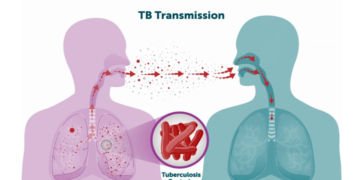
The group said 2024 witnessed 10.7 million tuberculosis cases and 1.2 million tuberculosis deaths globally, with the burden falling overwhelmingly on low- and middle-income countries, with Gavi-supported countries accounting for an estimated 77 per cent of all deaths.
It stated that the new vaccine is also designed to prevent infectious pulmonary TB disease among adolescents and adults, adding that, “they would be a major addition in the fight against TB. Combined with other prevention measures, they could accelerate progress against one of the world’s deadliest diseases.”
Noting that the first of the new promising candidate vaccines will secure regulatory approval by 2030, Gavi’s Roadmap identified risks that could hold back rapid rollout once licensure is secured.
“These include policy risks, including the possibility that recommendations could be limited to the highest-risk groups because of gaps in evidence; risks that could limit uptake by countries, such as inadequate global and domestic financing, and supply risks, driven, for example, by this demand uncertainty holding back manufacturer capacity investments for late-stage candidates.”
To overcome the listed risks, Gavi highlighted three well-defined objectives that, drawing on its market-shaping and innovative financing expertise, it will pursue to ensure the new vaccines reach low- and middle-income countries that need them the most, as fast and equitably as possible.
These are, “Objective 1: Ensure sufficient, timely, affordable and sustainable supply of novel TB vaccines to meet demand.
“Objective 2: Support widespread uptake that maximises health impact through routine immunisation and targeted catch-up campaigns.
“Objective 3: Encourage a competitive and geographically diverse pipeline of novel TB vaccine candidates, ensuring products meet country preferences.”
According to Gavi, several high-burden countries, including some hosting vaccine trials, are already laying the groundwork for rollout once the vaccines become available.
Through the World Health Organisation’s TB Vaccine Accelerator’s Finance and Access working group, Gavi vowed to keep working with partners to support these efforts, with the ultimate goal of bringing the new vaccines as rapidly as possible to the people who need them most.