







By Daniel Nduka Okonkwo
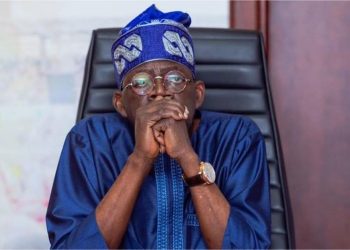
As Nigeria moves towards the 2027 general election, a crowded field of politicians, political parties and ambitious power seekers is positioning itself to shape the country’s future. Across the political spectrum, familiar names and emerging figures are seeking the confidence of a population grappling with economic hardship, insecurity, and uncertainty about tomorrow. Yet, among the most prominent and recognisable figures in this unfolding contest are Bola Ahmed Tinubu, Atiku Abubakar, Peter Obi, and Omoyele Sowore, four politicians whose public profiles, backgrounds, and political journeys have made them central figures in the national conversation.
They may differ in ideology, political experience, economic background, and vision, but they share one important distinction from millions of ordinary Nigerians whose votes they seek: none will approach the contest carrying the same weight of economic desperation confronting families struggling to survive. Whatever happens at the ballot box, the consequences will not be equally shared. The candidates will return to lives shaped by their accumulated opportunities, networks, and resources; millions of voters will return to the same questions that haunt them every morning: Where will the next meal come from? How will the bills be paid? What future awaits their children? That is the uncomfortable paradox at the heart of Nigeria’s 2027 election.
Nigerians are about to be told, once again, that this election is a matter of life and death for the country. It is. But before the campaign noise gets louder, there is an important story that deserves to be told plainly. The men asking for your vote are not poor, and none of them is asking for your vote because he needs your help to survive.
President Bola Ahmed Tinubu was a wealthy and influential man long before he became President. Atiku Abubakar has built substantial business interests over the years. Peter Obi is a former bank chairman and a businessman with multiple investments. Omoyele Sowore, the founder and owner of Sahara Reporters, makes his living through media enterprise, professional journalism, and academic lecturing in the United States. Whatever one thinks of any of them, none will go hungry whether he wins or loses.
This is not an argument that wealth disqualifies anyone from leadership. Business success can sit alongside real public service, and poverty is no guarantee of virtue. The point is that voters must understand the gap between the position of those who seek power and the position of those who grant it. Their children are secure. Yours may not be.
The recent viral video of young men surrounding a Lamborghini in Lagos traffic, begging and demanding money, captured that gap in one frame. Some Nigerians blamed the owner for flaunting extreme wealth among hungry young people. Others condemned the harassment of a motorist, and they were right to, because hunger does not excuse intimidation. Both reactions point to the same truth. A country where extreme wealth and desperate poverty share the same street is a country with a problem that no amount of campaign music will fix.
Consider the numbers the government itself offers. The National Bureau of Statistics reports that headline inflation fell to 14.63 percent in September 2026, down from a peak above 34 percent. Foreign reserves have recovered to more than 45 billion dollars. These are real improvements, and a fair account must say so. But falling inflation does not mean falling prices. It means prices are rising more slowly. The trader, the teacher, and the factory worker still pay far more for food, transport, and cooking gas than they did three years ago, and their incomes have not kept pace.
Meanwhile, the public debt stands at about 166.79 trillion naira as of June 2026, according to the Debt Management Office, with warnings that it could climb toward 200 trillion naira. Every naira borrowed today is a naira your children will help repay. The International Monetary Fund projects growth of about 4.3 percent for 2027, while the Nigerian Economic Summit Group says the country needs sustained growth of 7 to 9 percent to lift people out of poverty. The gap between those two figures is the gap between a country that merely survives and one that actually improves.
This is why the choice you make matters more than the promises you hear. Some of these leaders have records you can examine, with real achievements and real failures. Some have little to show beyond speeches. Some offer incentives that reach you only in election season, a bag of rice, a few thousand naira, or a branded wrapper. These gifts feel like generosity, but you are being paid a small price for a four-year decision. Nigerians call it stomach infrastructure, and it has kept the same patterns alive for decades.
The history is not flattering to voters either. Studies of Nigerian elections show again and again that ethnic and religious loyalty, cash inducements, the recycling of the same political class, and voter apathy have shaped outcomes more than manifestos have. Many citizens spend all their energy on the presidential race and ignore governors, senators, and local government chairmen who control the money closest to their homes. Others stay at home on election day, which hands the result to the most heavily funded party machines.
If these mistakes are repeated in the general election scheduled for 16 January 2027, the consequences are not abstract. Debt servicing could swallow an even larger share of government revenue, leaving less for schools, hospitals, and roads. Growth that stays too slow will not create jobs for millions of young graduates. Prices could rise again if leaders resort to printing money or artificial currency controls. More doctors, nurses, engineers, and teachers will join the exodus abroad, and the communities they leave behind will feel it first. And where economic despair deepens, banditry, kidnapping, and insurgency find fresh recruits.
So Nigerians should stop asking only who is more popular or who belongs to their tribe, their church, or their mosque. Nigerians should ask what each candidate will do about the cost of food. Ask how jobs will be created, how electricity will be made reliable, how borrowing will be controlled, and how security will be restored. Ask how you will be able to track public spending and hold them to their word. A candidate who cannot answer these questions plainly does not deserve your vote, however famous or well-funded he may be.
No one should be exempt from this scrutiny. Not the President, not the opposition leaders, not the activist, not the businessman. Being in opposition does not make a candidate better, and being rich does not make him competent. Experience must be measured by results, not by how long someone has been around.
You are not doing any of these men a favour by voting for them. They are asking for a job, and you are the employer. The ballot is the only power an ordinary Nigerian holds over those who rule, and it is worth far more than whatever is offered in exchange for it.
Tinubu, Atiku, Obi, and Sowore will all, in all likelihood, remain comfortable after this election, whatever the result. The real question is whether you will. Will your children be in school? Will your family afford food? Will your business survive? Will your hospital have a doctor? This election is not mainly about them or their futures. It is about you, your children, and the country they will inherit.
Before you vote, ask yourself one thing. Will my choice improve my family’s life, or will I spend another political cycle struggling to put food on the table while waiting for promises to become reality?
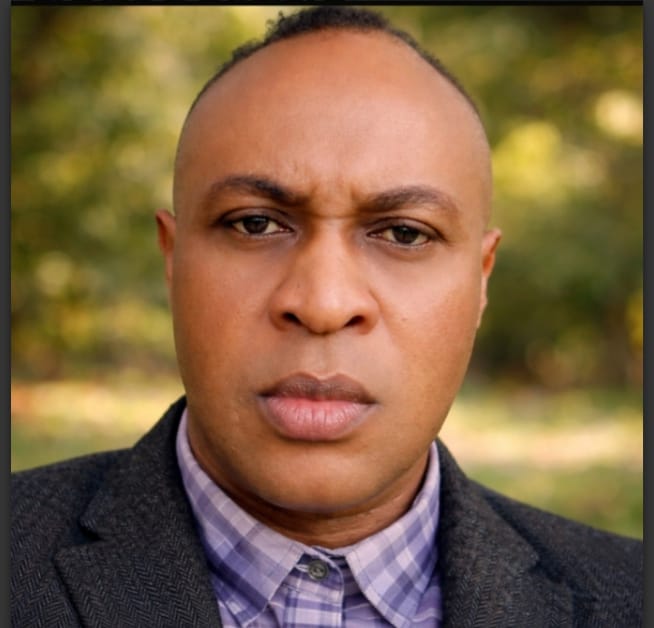
Daniel Nduka Okonkwo is an investigative journalist, human rights advocate, and policy analyst based in Nigeria. He is the founder and publisher of Profiles International Human Rights Advocate (PIHRA), a platform documenting the courage of human rights defenders and examining issues of governance, accountability, security, and fundamental rights.
His reporting on Nigerian governance, security-sector accountability, public finance, and human rights has appeared in Sahara Reporters, Vanguard, Daily Trust, African Defence Forum, Opinion Nigeria, and Daily Intel.
Read more of his work on the PIHRA website:
https://www.profilesinternationalhumanrightsadvocate.com.ng/
For tips, feedback, or collaboration, contact him at dan.okonkwo.73@gmail.com.