
































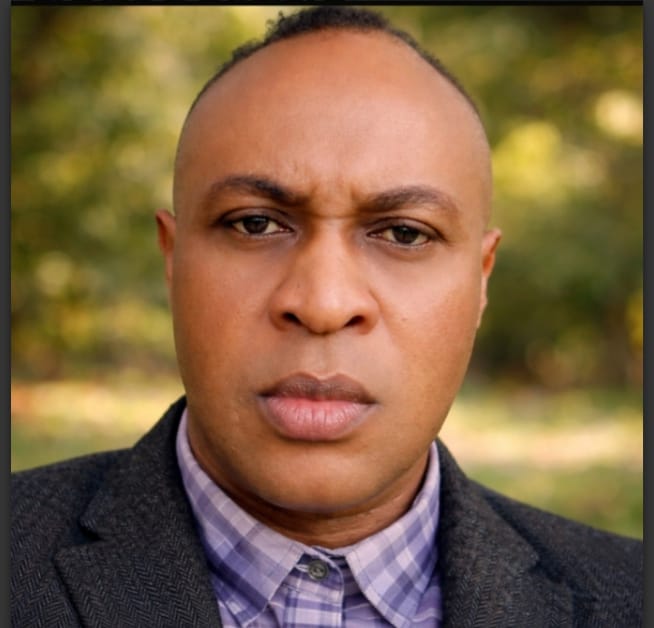
By Daniel Nduka Okonkwo
The Nigeria Police Force’s declared position is that police bail is free. Yet on October 23, 2026, the Force, through its Complaint Response Unit, reportedly warned against demanding or paying for police bail, stating that those involved risked arrest and prosecution. The warning was delivered by Superintendent of Police Awu Fidelis Jonah, Head of the Complaint Response Unit, during a sensitisation rally in Lagos, according to published reports. More than sixteen years of documented complaints, human rights research, federal panel findings, and testimony before the Lagos State Judicial Panel of Inquiry on Police Brutality, including evidence that one family paid ₦255,000, raises a critical question: can the Force demonstrate, through transparent and verifiable records, that complaints are investigated, unlawful payments addressed and culpable officers held accountable?
When a police officer allegedly demands money from a suspect or the suspect’s family as a condition for release, a legal safeguard risks becoming an instrument of extortion. Public records, human rights investigations, and published accounts document repeated allegations that people paid money to secure release from custody despite the Force’s stated position. Each account must be judged on its own evidence, but the recurrence of such complaints over many years raises questions about enforcement, oversight, and the strength of existing safeguards.
The issue goes beyond money. It concerns personal liberty, the exercise of police authority, and whether official directives translate into real protection for people in custody. The credibility of “Bail Is Free” cannot be measured by how often the slogan is repeated. It must be measured by how complaints are handled, whether misconduct is established through fair investigation, and what happens when officers are found to have abused their authority.
One important institutional source is the 2018 Report of the Presidential Panel on the Reform of the Special Anti-Robbery Squad (SARS), published by the National Human Rights Commission. In a section titled “Bail and Other Forms of Extortion,” the panel reported cases in which SARS officers demanded money from suspects or their relatives to secure the release of people arbitrarily arrested. It also recorded instances in which suspects were made to withdraw money from automated teller machines for officers. These findings matter because they place the issue within an official inquiry into police conduct, beyond isolated media accounts.
The panel observed that the slogan “bail is free” appeared to be “an empty slogan in the experiences of complainants.” It also noted that records of bail funds collected did not appear to be kept for accountability. Its findings drew on complaint files from Abuja, Lagos, Ogun, Kogi, Rivers, Edo, Enugu, and Imo states.
On July 13, 2024, Saturday Punch published Amarachi Okeh’s investigation, “Sidetracking bail-is-free slogan, police continue victims’ extortion.” It featured a woman identified as Jennifer, who alleged that police demanded ₦400,000 in connection with her detention after she reported the alleged sexual assault of her 16-year-old daughter in Imo State. She said she eventually paid ₦30,000 and was never refunded. An artisan identified as Peter alleged that he and two other workers, accused of burglary in Owerri, were asked to pay ₦500,000, which was negotiated down to ₦200,000 and paid in cash to the investigating officer. These are allegations published by Punch, not judicial findings against the officers concerned, but they add to the record of complaints about money demanded in connection with custody and release.
On January 9, 2021, Francis Osajiokweh told the Lagos judicial panel, as reported by TheCable, that his family paid ₦255,000 after his detention by SARS officers in August 2020. He itemised the sum as ₦200,000 for bail, ₦40,000 for mobilisation, and ₦15,000 for personal assistance, and the police counsel cross-examined him on how the payment was made. His account was testimony before a panel, not a final judicial determination of the allegations. Its weight lies in the specific claim made under a formal inquiry.
Human Rights Watch’s 2010 report, Everyone’s in on the Game, drew on more than 145 interviews with victims of and witnesses to police corruption in Nigeria. It documented extortion across the Force, including payments connected with release from detention, and described corruption as endemic. The research is historical, yet it shows that complaints about paying for freedom were recorded long before the latest reports and official warnings.
On July 7, 2026, Sahara Reporters reported that the Delta State Police Command had demoted Inspector Augustine Jeremiah to sergeant and Corporal Miracle Ehirim to constable after an orderly room trial. The two were found guilty of disobedience to lawful order, extortion, and discreditable conduct after a video showed them receiving money from a motorist through a Point-of-Sale terminal inside the ‘C’ Division police station in Asaba in January 2026. The case did not concern bail and is not evidence of bail extortion. It is relevant because it provides a reported example of a disciplinary process resulting in sanctions for extortion-related misconduct, although it does not establish how consistently similar complaints are investigated or resolved across the Force.
A Lawful release procedures, including recognisance and sureties, should not be confused with extortion. A formal requirement imposed by law is different from an officer allegedly demanding cash as the price of release, and calling a payment “bail money” does not make the demand lawful. The statutory provisions should be applied to the facts of each case.
The 2010 Human Rights Watch report, the 2018 federal panel findings, the 2021 judicial panel testimony, and the 2024 press investigation show a pattern of recurring complaints about payments allegedly demanded to secure release from police custody. They do provide a substantial basis for asking whether complaints are investigated consistently and whether outcomes are documented.
A proverb holds that a goat cannot win a case where the judge sells meat. It captures the central concern of these complaints: where those entrusted with enforcing the law are accused of profiting from the abuse of their authority, public confidence depends on independent scrutiny, impartial investigation, and visible accountability. No allegation should be accepted as true without proof, but each must be investigated fairly, the evidence tested, and officers found responsible made to face consequences.
The real test is implementation, and the evidence the Force makes public. It should be able to explain how complaints of bail-related extortion can be submitted safely, how they are investigated, what protects complainants from reprisal, and what disciplinary or criminal outcomes follow when misconduct is proved. It should also publish reliable figures for complaints received, investigations concluded, and sanctions imposed over a defined period, subject to privacy and due-process protections. The October 23 warning is an important statement of policy, but only transparent records and credible enforcement can show how that policy works in practice.
The evidence should open to independent scrutiny, one question remains: how much separates the promise that bail is free from the experience of citizens who say they were asked to pay?
Daniel Nduka Okonkwo is an investigative journalist, human rights advocate, and policy analyst based in Nigeria. He is the founder and publisher of Profiles International Human Rights Advocate (PIHRA), a platform documenting the courage of human rights defenders and examining issues of governance, accountability, security, and fundamental rights.
His reporting on Nigerian governance, security-sector accountability, public finance, and human rights has appeared in Sahara Reporters, Vanguard, Daily Trust, African Defence Forum, Opinion Nigeria, and Daily Intel.
Read more of his work on the PIHRA website:
https://www.profilesinternationalhumanrightsadvocate.com.ng/
For tips, feedback, or collaboration, contact him at dan.okonkwo.73@gmail.com.