





















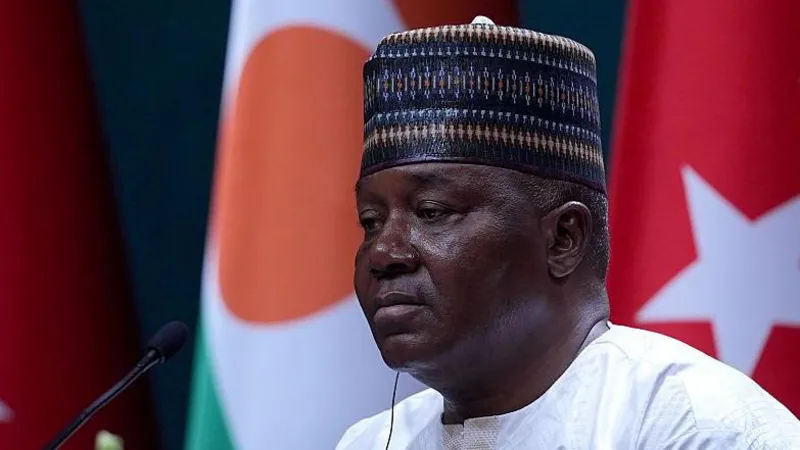
The Republic of Niger has officially submitted its request to withdraw from the International Criminal Court (ICC), nine months after announcing its intent to leave.
The West Africa country had in September 2025, along with Mali and Burkina Faso allies issued a joint statement saying they would not recognise the ICC’s authority, calling it an “instrument of neo-colonialist repression”.
Responding to the latest request, the ICC confirmed receiving Niger’s “instrument of withdrawal” on 18 June, but however insist that Niger must honour its obligations to the court until the withdrawal takes effect one year after notification.
The ICC – based in The Hague in the Netherlands – was set up in 2002 to pursue cases of genocide, crimes against humanity, war crimes and aggression.
According to statement on Tuesday seen by AFP, the ICC did not make any mention of Mali or Burkina Faso.
When announcing their withdrawal, the three Sahel states said they wanted to set up “indigenous mechanisms for the consolidation of peace and justice”.
Last year, Niger, Mali and Burkina Faso also simultaneously withdrew from the Economic Community of West African States (Ecowas), the regional bloc, and created the Confederation of Sahel States for the three nations.
Juntas have been in control of the countries following coups in the early part of this decade.
Their armies have faced accusations of crimes against civilians, as violence has escalated in the region against jihadist groups linked to al-Qaeda and the Islamic State.
In recent years, the three countries, which are former French colonies, have increasingly become isolated from the West and strengthened their ties to Russia.
There is an outstanding ICC-issued arrest warrant for Russian President Vladimir Putin over alleged war crimes in Ukraine.
Russia, as well as countries such as the US, Israel and China, are not part of the court’s 125 member states.
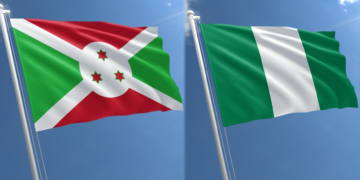
Niger will be the third country to leave the ICC after the Philippines and Burundi.