









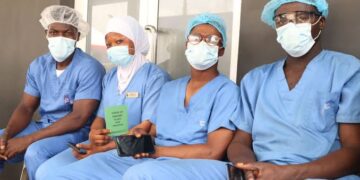
























Patients across public hospitals in Ondo, Osun and Ekiti states are facing severe healthcare disruptions due to staff shortages and a lack of essential drugs.
Some of the patients said shortages of health workers and drugs were affecting medical services in hospitals across the three states.
They appealed to their respective state governments to address severe manpower shortages and high medication costs to save more lives.
According to Julius Adegoroye, a patient at the Ondo State Specialist Hospital, Okitipupa, the hospital is facing a severe workforce crisis, rendering the patients vulnerable.
“How can a few doctors and nurses be attending to lots of patients, many of whom are in serious pain and need attention, but a shortage of health workers is affecting their services,” he said.
Iyabo Akinugba, another patient, lamented that the rising cost of medications outside hospitals had become a major crisis, which often led to an increase in non-adherence, worsened health conditions, and, in some tragic cases, fatalities.
“After attending to you, they ask you to buy drugs from pharmacies outside the hospital, which is very expensive, and this is really taking a toll on patients.
“This is a government hospital, and this is the place for the common man. Although nobody prays to be sick, it’s inevitable. I appeal to the government to restore this facility to its former glory for citizens to enjoy its free healthcare services,” she said.
Similarly, in Osogbo, an elderly woman, Abibatu Igbalaye, who was at the maternity ward of the Osun State General Hospital, Asubiaro, to support her daughter after childbirth, commended the hospital for providing free healthcare services.
Mrs Igbalaye, however, noted that patients were required to provide delivery kits and other consumables used during treatment.
A medical practitioner, Dr Ayorinde Adewale, identified the acute shortage of health professionals in the general hospitals as a major challenge in the sector.
According to him, many specialist doctors, including neurosurgeons, cardiologists, and oncologists, have left the country due to poor remuneration and working conditions.
He warned that the remaining doctors were overworked and underpaid, adding that the trend could discourage professionals from working in public hospitals.
A patient at the Osun State University Teaching Hospital, Kabirat Alabi, said the hospital continued to improve its services and provide quality healthcare.
Mrs Alabi emphasised the need for sustained commitment to global best practices in healthcare delivery in the state.
The Public Relations Officer of Osun State University Teaching Hospital, Abimbola Idowu, stated that the hospital was performing well in healthcare delivery, with improved facilities, skilled personnel, and patient-centred care.
According to her, the hospital remains committed to delivering efficient and accessible healthcare services.
The Chief Medical Director of the Obafemi Awolowo University Teaching Hospital Complex (OAUTHC), Prof. John Okeniyi, called for improved funding to address infrastructural and operational challenges in public hospitals.
Mr Okeniyi noted that the “Japa” syndrome and industrial disputes were affecting service delivery and appealed for increased government intervention.
Also, Dr Sam Adegboye, an assistant chief medical officer at the Federal Teaching Hospital, Ido-Ekiti, urged the government to ensure fair remuneration for health workers and called on medical directors to address corruption in the sector.
Mr Adegboye, a Urologist, said low morale was negatively affecting productivity in hospitals, while poor maintenance of diagnostic equipment often leads to breakdowns.
“Government should ensure proper remuneration, curb corruption, and guarantee that equipment is maintained by qualified personnel,” he said.
A general practitioner, Dr Bisola Alao, stated that the doctor-to-patient ratio was about 30 to one, describing the workload on medical personnel as excessive.
“Prompt salary payment is not enough; workers must receive their full benefits,” she said.
NAN