





























By Daniel Nduka Okonkwo
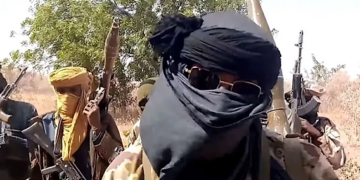
Nigeria’s security crisis remains one of the gravest challenges confronting the nation. Despite repeated declarations of success by the government and security agencies, terrorist groups such as Boko Haram and ISWAP continue to launch deadly attacks, overrun communities, and deepen fear across several regions of the country.
The Nigerian military, alongside the Department of State Services, the Office of the National Security Adviser, the police, and paramilitary agencies, has intensified operations against insurgents. Troops under Operation HADIN KAI recently reported the neutralization of dozens of ISWAP fighters in Borno State and the destruction of terrorist enclaves within the Sambisa Forest. Security forces have also announced the elimination of high-value commanders and the rescue of hostages in several operations.
Yet, despite these tactical victories, the broader reality remains troubling. Terrorism-related deaths reportedly increased by 46 percent in early 2026 compared to previous periods, reemphasizing the persistence of violence and the inability of the state to deliver comprehensive security across the country.
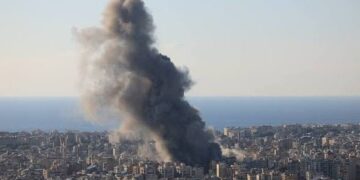
For many Nigerians, the contradiction is difficult to ignore. On one hand, authorities consistently project progress in the war against terrorism. On the other hand, communities continue to experience killings, kidnappings, attacks on military formations, and mass displacement. The conflict, far from ending, appears to be spreading beyond the North-East into the North-West, North-Central, and parts of southern Nigeria.
Nigeria’s security chiefs themselves have acknowledged the enormity of the crisis. The Director-General of the DSS recently admitted that security agencies cannot protect every community, urging citizens to become the “first line of defence.”
That statement reflects the structural realities confronting the country. Nigeria’s vast territory, porous borders, difficult terrain, and growing population have placed enormous pressure on security institutions already stretched thin across multiple fronts.
Military officials have also warned that available resources remain insufficient to fully prosecute the war against insurgents, bandits, and kidnappers simultaneously. Frontline soldiers have repeatedly cited shortages of equipment, delayed allowances, inadequate protective gear, and logistical constraints that undermine operations in combat zones.
Security analysts argue that tactical victories alone cannot resolve the crisis without deeper institutional reforms. Experts continue to emphasize the urgent need for improved coordination among the army, air force, police, intelligence agencies, and regional security networks. Critics also point to persistent weaknesses in intelligence gathering, arguing that security agencies often respond to attacks after they occur rather than preventing them beforehand.
Beyond operational challenges, concerns over corruption and accountability within the defence sector continue to generate public anger.
Despite massive security budgets over the years, insecurity has steadily expanded across different regions of Nigeria. Allegations of procurement fraud, mismanagement of defence funds, and lack of transparency remain recurring issues in public discourse.
There are also increasing concerns about internal collaborators allegedly aiding terrorist groups through intelligence leaks, illegal supply networks, and financial support systems. Security experts argue that the conflict has evolved into a regional and transnational problem that requires stronger international cooperation to disrupt terrorist financing and weapons trafficking.
The federal government has introduced a new security doctrine for 2026 aimed at addressing some of these gaps. The policy seeks to expand the classification of terrorists to include armed actors and their facilitators while emphasizing technology-driven operations, improved intelligence gathering, and coordinated offensives designed to clear and destroy insurgent strongholds.
Authorities maintain that these reforms represent a more aggressive and modernized approach to combating insecurity. Supporters of the military also argue that troops continue to demonstrate commitment and resilience despite the scale of the conflict and the risks involved.
Behind every security briefing and casualty figure are ordinary Nigerians whose lives have been shattered by violence.
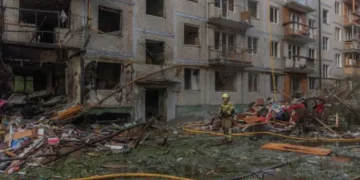
Thousands of families have been displaced from farming communities. Children in conflict-prone areas continue to lose access to education. Entire villages have been abandoned following repeated attacks, while kidnappings for ransom have become a normalized threat in many regions.
For citizens living in fear, official claims of victory often feel disconnected from reality. The daily struggle for survival has eroded public confidence in government assurances, especially as attacks on civilians and military facilities continue to occur.
The psychological toll is equally severe. Communities across affected states now live with constant uncertainty, unsure whether security forces can respond quickly enough when attacks happen.
What many Nigerians find even more disturbing is the apparent shift in political focus toward the 2027 general elections while insecurity continues to worsen.
Political maneuvering, succession calculations, party realignments, and campaign strategies increasingly dominate public conversations and media attention. The political leaders appear more invested in securing future power than confronting the immediate crisis threatening lives and national stability.
This growing disconnect between the political elite and ordinary citizens has fueled frustration and cynicism across the country. Many Nigerians believe their suffering has become secondary to electoral ambitions.
The perception that governance has been overshadowed by politics is damaging public trust at a time when national unity and decisive leadership are urgently needed.
Security experts widely agree that Nigeria cannot rely solely on military force to end the crisis. Sustainable peace will require comprehensive structural reforms that address both the symptoms and root causes of insecurity.
Among the key recommendations frequently highlighted are stronger inter-agency collaboration, investment in intelligence and surveillance technology, community-based security initiatives, improved welfare for frontline personnel, and stricter accountability in defence spending.
There are also growing calls for political leaders to place national security above electoral interests and adopt a more coordinated long-term strategy capable of restoring public confidence.
Until meaningful reforms are implemented, Nigeria risks remaining trapped in a dangerous cycle where tactical military successes coexist with expanding insecurity.
For millions of Nigerians, the paradox is painful and deeply personal: a nation fighting for survival while many of its leaders appear consumed by the battle for political power.
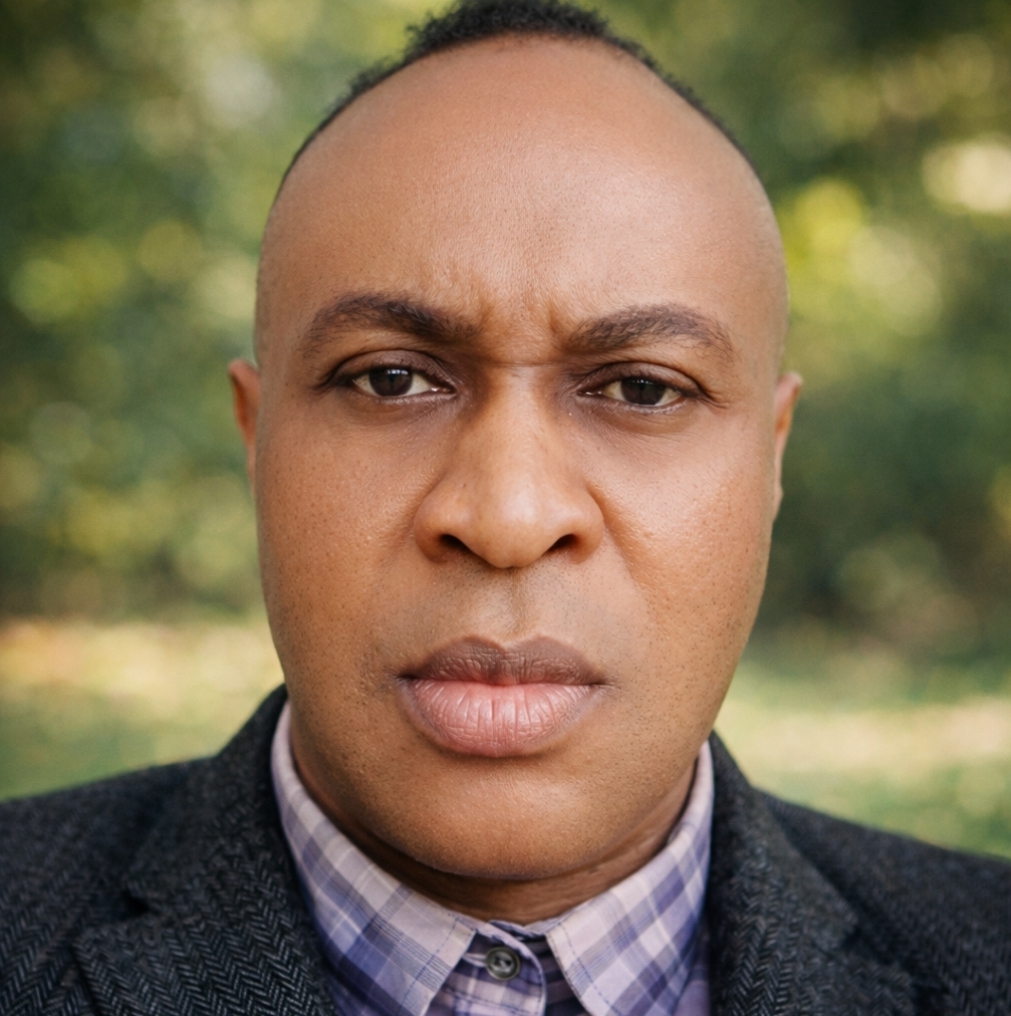
Daniel Nduka Okonkwo is a Nigerian investigative journalist, publisher of Profiles International Human Rights Advocate, and a policy analyst whose work focuses on governance, institutional accountability, and political power. He is also a human rights activist and advocate, with a strong commitment to justice and transparency.
His reporting and analysis have been featured in Sahara Reporters, African Defence Forum, Daily Intel Newspapers, Opinion Nigeria, African Angle, NewsBreak (local.newsbreak.com), Vanguard Newspaper, Daily Trust Newspapers, and other international media platforms.
He writes from Nigeria and can be reached at dan.okonkwo.73@gmail.com.