







• About Us
  • Advertise With Us
  • Contact Us
  • Donate
Monday, September 14, 2026
Daily Intel Newspapers
  • Login
  • Welcome
  • Special reports
    • All
    • Unedited for the record
    New tuberculosis vaccines to be  available from 2029- Gavi 

    New tuberculosis vaccines to be available from 2029- Gavi 

    UK may be heading for breakup after Scottish, Welsh, Irish meeting ends in affirmation

    UK may be heading for breakup after Scottish, Welsh, Irish meeting ends in affirmation

    Scotland, Wales, Northern Ireland leaders meet on Monday to discuss UK breakup

    Scotland, Wales, Northern Ireland leaders meet on Monday to discuss UK breakup

    INDIGENOUS IGBO CONGRESS OF RIVERS STATE PRESS RELEASE

    INDIGENOUS IGBO CONGRESS OF RIVERS STATE PRESS RELEASE

    National assembly staff protest unpaid allowances, poor welfare

    National assembly staff protest unpaid allowances, poor welfare

    Tinubu discards Obasanjo’s monetization policy,  dissolves assets  committee

    Tinubu administration issues fresh order banning ministers, security chiefs, heads of agencies from foreign trips without SGF approval

  • Metro News
    Wike ban use of green areas in FCT as car dealers stand

    Wike ban use of green areas in FCT as car dealers stand

    Bicycle as alternative mode of transportation in Nigeria: The FRSC perspective

    Court convict motorist for assaulting FRSC mashal, dangerous driving in Abuja

    Tinubu’s harsh economic policies pushing us into cab driving- Abuja civil servants

    Tinubu’s harsh economic policies pushing us into cab driving- Abuja civil servants

    FCT NAWOJ demands justice for women

    FCT NAWOJ demands justice for women

    FCT suspends riders, drivers  levy over multiple taxation complaints

    FCT suspends riders, drivers levy over multiple taxation complaints

    Wike nullifies 485 R of O applications over fake allocation papers

    Wike nullifies 485 R of O applications over fake allocation papers

  • Latest News
    • All
    • Crime watch
    New tuberculosis vaccines to be  available from 2029- Gavi 

    New tuberculosis vaccines to be available from 2029- Gavi 

    UK may be heading for breakup after Scottish, Welsh, Irish meeting ends in affirmation

    UK may be heading for breakup after Scottish, Welsh, Irish meeting ends in affirmation

    NIS tasks graduating officers on border security

    NIS tasks graduating officers on border security

    Onion prices soar by 200% in Lago

    Onion prices soar by 200% in Lago

    Obi academic record: LP disown Arabambi, says he is no longer our member

    Obi academic record: LP disown Arabambi, says he is no longer our member

    2027: Tinubu, Obi, Atiku, 15 others make INEC final presidential candidates’ list

    2027: Tinubu, Obi, Atiku, 15 others make INEC final presidential candidates’ list

    Trending Tags

  • Infotech
    Kano govt launches N27.8bn ICT, CBT project to take digital exams to grassroots

    Kano govt launches N27.8bn ICT, CBT project to take digital exams to grassroots

    NASENI to empower women, youths through capacity-building orogrammes in Kano

    NASENI to empower women, youths through capacity-building orogrammes in Kano

    FG unveils freeTV with over 100 free channels

    FG unveils freeTV with over 100 free channels

    No excuse for poor network delivery,  FG tells telecom Operators

    No excuse for poor network delivery, FG tells telecom Operators

    Amazon turns to artificial intelligence after cutting 16,000 jobs.

    Amazon turns to artificial intelligence after cutting 16,000 jobs.

    Cyber attack disrupts European airports

    Cyber attack disrupts European airports

  • World conflict & diplomacy
    Saudi Arabia shuts key oil pipeline after Iraqi drone attack

    Saudi Arabia shuts key oil pipeline after Iraqi drone attack

    Spanish lawmakers back law granting citizenship to Western Saharans

    Spanish lawmakers back law granting citizenship to Western Saharans

    Israel asks Britain to close East Jerusalem consulate within 30 days

    Israel asks Britain to close East Jerusalem consulate within 30 days

    US strikes Iran for first time in a month

    US strikes Iran for first time in a month

    Russia denies using Colombian mercenaries in Ukraine war

    Russia denies using Colombian mercenaries in Ukraine war

    Iran denies Trump’s claim of fresh US talks

    Iran denies Trump’s claim of fresh US talks

  • Africa
    DR Congo school fire stampede death toll rises to 26 – UNICEF

    DR Congo school fire stampede death toll rises to 26 – UNICEF

    Burundians rush to leave Kenya after crackdown on businesses

    Burundians rush to leave Kenya after crackdown on businesses

    Ebola: Teachers, parents fear school reopening in eastern DRC

    Ebola: Teachers, parents fear school reopening in eastern DRC

    US set to withdraw 200 troops from Nigeria- report

    US set to withdraw 200 troops from Nigeria- report

    Amnesty International challenge Imo govt on secret movement of bodies from mortuaries to unknown destination

    Amnesty International challenge Imo govt on secret movement of bodies from mortuaries to unknown destination

    Chad President pardons jailed political rival and fmr PM  Masra

    Chad President pardons jailed political rival and fmr PM Masra

No Result
View All Result
  • Welcome
  • Special reports
    • All
    • Unedited for the record
    New tuberculosis vaccines to be  available from 2029- Gavi 

    New tuberculosis vaccines to be available from 2029- Gavi 

    UK may be heading for breakup after Scottish, Welsh, Irish meeting ends in affirmation

    UK may be heading for breakup after Scottish, Welsh, Irish meeting ends in affirmation

    Scotland, Wales, Northern Ireland leaders meet on Monday to discuss UK breakup

    Scotland, Wales, Northern Ireland leaders meet on Monday to discuss UK breakup

    INDIGENOUS IGBO CONGRESS OF RIVERS STATE PRESS RELEASE

    INDIGENOUS IGBO CONGRESS OF RIVERS STATE PRESS RELEASE

    National assembly staff protest unpaid allowances, poor welfare

    National assembly staff protest unpaid allowances, poor welfare

    Tinubu discards Obasanjo’s monetization policy,  dissolves assets  committee

    Tinubu administration issues fresh order banning ministers, security chiefs, heads of agencies from foreign trips without SGF approval

  • Metro News
    Wike ban use of green areas in FCT as car dealers stand

    Wike ban use of green areas in FCT as car dealers stand

    Bicycle as alternative mode of transportation in Nigeria: The FRSC perspective

    Court convict motorist for assaulting FRSC mashal, dangerous driving in Abuja

    Tinubu’s harsh economic policies pushing us into cab driving- Abuja civil servants

    Tinubu’s harsh economic policies pushing us into cab driving- Abuja civil servants

    FCT NAWOJ demands justice for women

    FCT NAWOJ demands justice for women

    FCT suspends riders, drivers  levy over multiple taxation complaints

    FCT suspends riders, drivers levy over multiple taxation complaints

    Wike nullifies 485 R of O applications over fake allocation papers

    Wike nullifies 485 R of O applications over fake allocation papers

  • Latest News
    • All
    • Crime watch
    New tuberculosis vaccines to be  available from 2029- Gavi 

    New tuberculosis vaccines to be available from 2029- Gavi 

    UK may be heading for breakup after Scottish, Welsh, Irish meeting ends in affirmation

    UK may be heading for breakup after Scottish, Welsh, Irish meeting ends in affirmation

    NIS tasks graduating officers on border security

    NIS tasks graduating officers on border security

    Onion prices soar by 200% in Lago

    Onion prices soar by 200% in Lago

    Obi academic record: LP disown Arabambi, says he is no longer our member

    Obi academic record: LP disown Arabambi, says he is no longer our member

    2027: Tinubu, Obi, Atiku, 15 others make INEC final presidential candidates’ list

    2027: Tinubu, Obi, Atiku, 15 others make INEC final presidential candidates’ list

    Trending Tags

  • Infotech
    Kano govt launches N27.8bn ICT, CBT project to take digital exams to grassroots

    Kano govt launches N27.8bn ICT, CBT project to take digital exams to grassroots

    NASENI to empower women, youths through capacity-building orogrammes in Kano

    NASENI to empower women, youths through capacity-building orogrammes in Kano

    FG unveils freeTV with over 100 free channels

    FG unveils freeTV with over 100 free channels

    No excuse for poor network delivery,  FG tells telecom Operators

    No excuse for poor network delivery, FG tells telecom Operators

    Amazon turns to artificial intelligence after cutting 16,000 jobs.

    Amazon turns to artificial intelligence after cutting 16,000 jobs.

    Cyber attack disrupts European airports

    Cyber attack disrupts European airports

  • World conflict & diplomacy
    Saudi Arabia shuts key oil pipeline after Iraqi drone attack

    Saudi Arabia shuts key oil pipeline after Iraqi drone attack

    Spanish lawmakers back law granting citizenship to Western Saharans

    Spanish lawmakers back law granting citizenship to Western Saharans

    Israel asks Britain to close East Jerusalem consulate within 30 days

    Israel asks Britain to close East Jerusalem consulate within 30 days

    US strikes Iran for first time in a month

    US strikes Iran for first time in a month

    Russia denies using Colombian mercenaries in Ukraine war

    Russia denies using Colombian mercenaries in Ukraine war

    Iran denies Trump’s claim of fresh US talks

    Iran denies Trump’s claim of fresh US talks

  • Africa
    DR Congo school fire stampede death toll rises to 26 – UNICEF

    DR Congo school fire stampede death toll rises to 26 – UNICEF

    Burundians rush to leave Kenya after crackdown on businesses

    Burundians rush to leave Kenya after crackdown on businesses

    Ebola: Teachers, parents fear school reopening in eastern DRC

    Ebola: Teachers, parents fear school reopening in eastern DRC

    US set to withdraw 200 troops from Nigeria- report

    US set to withdraw 200 troops from Nigeria- report

    Amnesty International challenge Imo govt on secret movement of bodies from mortuaries to unknown destination

    Amnesty International challenge Imo govt on secret movement of bodies from mortuaries to unknown destination

    Chad President pardons jailed political rival and fmr PM  Masra

    Chad President pardons jailed political rival and fmr PM Masra

No Result
View All Result
Daily Intel Newspapers
No Result
View All Result
Home Opinion

The citizens are bleeding: Government saved trillions from fuel subsidy, but what do Nigerians have to show for it?

Daily Intel Newspaper by Daily Intel Newspaper
September 14, 2026
Anambra’s Land War: How a state losing ground to erosion is also losing it to grabbers, and why Soludo’s government cannot afford to look away
Share on FacebookShare on TwitterChat With Us Live

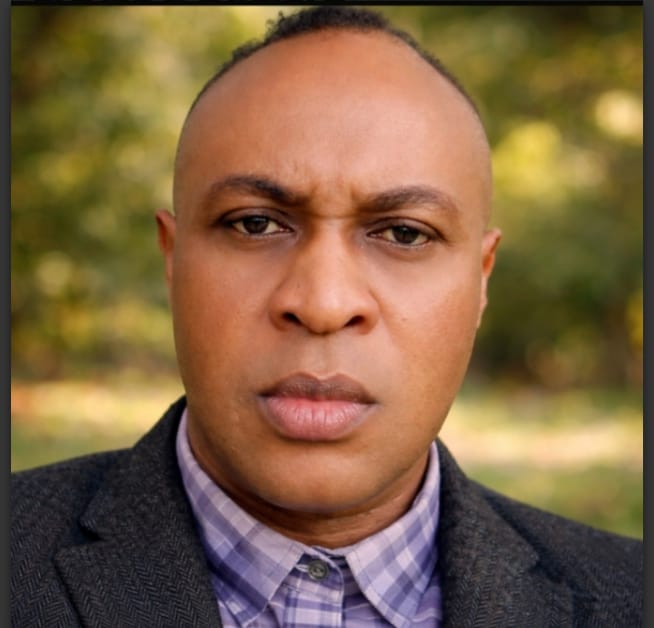
By Daniel Nduka Okonkwo

Nigeria’s fuel crisis has reached a point where the question is no longer simply how much petrol costs at the pump. The more disturbing question is how much of the Nigerian people can still afford to live after paying for it.

Across the country, petrol prices are rising again, with Abuja motorists now paying around ₦1,450 per litre at some filling stations. Current reports also indicate prices around ₦1,430 per litre in Abuja following the latest increase in the gantry price of the Dangote Petroleum Refinery from ₦1,265 to ₦1,350 per litre. There are also reports of prices exceeding ₦1,650 per litre in parts of the North and other remote areas.

For millions of Nigerians, the consequences are no longer abstract economic statistics. They are visible every day in transport fares, food prices, electricity costs, school fees, rents, healthcare bills, and the shrinking purchasing power of ordinary households.

Nigeria is bleeding badly, and the wound is showing up on almost every kitchen table in the country.

The country’s transition to a market-driven petrol pricing system was presented as a painful but necessary reform. Nigerians were told that removing the petrol subsidy would free enormous public resources, strengthen government finances, attract investment, encourage domestic refining, and ultimately create a more sustainable economy.

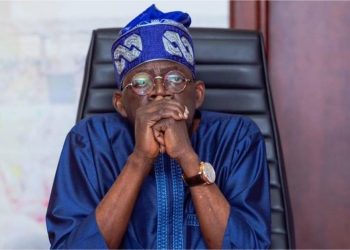
But more than three years after President Bola Ahmed Tinubu announced the removal of the petrol subsidy on May 29, 2023, an uncomfortable question remains: how much longer must Nigerians continue to pay the price for a promised better tomorrow?

The old subsidy regime was far from perfect. It was expensive, vulnerable to abuse, smuggling, questionable claims, and rent-seeking, while successive governments struggled to demonstrate that the system was delivering value proportionate to its enormous fiscal cost.

The problem, therefore, was never simply whether the old subsidy system should continue indefinitely.

The deeper question was what would replace it.

When the subsidy was removed, Nigerians were told that the resulting fiscal space would provide the government with greater resources to invest in infrastructure, social intervention, public services, and economic development.

Nigerians endured the immediate shock.

They endured rising transport costs. They endured higher food prices. Businesses adjusted to increased operating costs. Families cut spending. Workers struggled with declining purchasing power. Millions of households were forced to make difficult choices between food, healthcare, education, and transportation.

They were told that the pain would ultimately produce economic gains.

That promise now requires measurable evidence.

According to the Federal Government’s 2026 reform scorecard, subsidy reforms generated an estimated ₦15.8 trillion in savings across the Federation between June 2023 and December 2025. Of that amount, approximately ₦5.43 trillion accrued to the Federal Government, while states and local governments received the remainder through the Federation’s distribution framework. The Federal Government separately reported ₦20.4 trillion in incremental resources from subsidy savings, other incremental revenues, and additional borrowing.

Those figures are significant.

But fiscal savings and human welfare are not the same thing.

A government can report stronger revenues, improved fiscal balances, and better debt indicators while millions of citizens continue to struggle with the cost of living.

The Nigerian citizen is the balance sheet that matters most.

A family cannot cook fiscal consolidation.

A worker cannot board a bus with improved government revenue.

A farmer cannot transport his harvest with a favourable debt-to-GDP ratio.

A child cannot eat macroeconomic stability.

This is where the debate over fuel subsidy removal must move beyond politics and economic theory.

The central question should now be straightforward: where did the reported savings go, and what measurable benefit have they produced for Nigerians?

How much of the reported ₦15.8 trillion in estimated subsidy savings was received by the Federal Government, states, and local governments?

How much of the Federal Government’s reported ₦5.43 trillion share was spent on infrastructure, healthcare, education, public transportation, social protection, and other programmes intended to cushion the effect of the reform?

How much additional revenue did states and local governments receive, and what did they do with it?

What contracts were funded?

Who benefited?

What projects were completed?

And, most importantly, what measurable improvement can Nigerians see in their daily lives as a result?

These are not unreasonable questions.

They are the natural questions that arise whenever the government asks citizens to make a major sacrifice in the national interest.

Fuel is not an ordinary commodity in Nigeria.

It is an economic multiplier.

When petrol prices rise, transportation costs rise. When transportation costs rise, food distribution becomes more expensive. When logistics become more expensive, businesses increase prices. When prices rise faster than incomes, purchasing power falls.

The effect, therefore, goes far beyond the price displayed at a filling station.

It reaches virtually every sector of the economy.

This is why the argument that market forces should determine petrol prices cannot, by itself, answer the question of how ordinary Nigerians are expected to survive the transition.

If a universal subsidy were considered unsustainable, what would replace the protection it once provided to households?

Is it targeted cash support?

Is it affordable and reliable public transportation?

Is it food assistance?

Is it cheaper electricity?

Is it a wage adjustment?

Is it expanded healthcare coverage?

Is it a combination of these measures?

At some point, the people must see the dividend.

Nigeria is an oil-producing country with one of Africa’s largest populations and enormous energy resources. Yet Nigerians continue to confront the paradox of living in an oil-rich country while paying increasingly high prices for the fuel required to move people, goods, and businesses.

The emergence of the Dangote Petroleum Refinery has changed the country’s refining landscape and reduced dependence on imported refined petroleum products. The refinery represents a major private-sector investment and has the potential to strengthen domestic refining capacity, improve energy security, and alter Nigeria’s position in the regional petroleum market.

But the existence of a major domestic refinery does not automatically translate into cheap petrol for Nigerian households.

The refinery is a commercial enterprise operating within a market.

The responsibility for protecting vulnerable citizens remains that of the government.

That distinction matters.

Nigeria cannot expect private investment alone to solve a public welfare problem created by a major policy transition.

The country needs a transparent mechanism for ensuring that the benefits of domestic refining, increased government revenue and improved fiscal capacity eventually translate into tangible relief for citizens.

The answer is not necessarily a blind return to the old subsidy regime.

Nigeria should not return to a system that was vulnerable to corruption, inefficiency, smuggling, and opaque claims simply because the alternative has become painful.

What is required is protection without corruption.

That could mean targeted and transparent intervention, improved public transportation, cheaper and more reliable electricity, stronger domestic refining capacity, and carefully designed social protection programmes capable of reaching those who need them most.

But transparency must be at the centre of the process.

If the government says subsidy removal has generated trillions of naira in savings across the Federation, Nigerians have a legitimate right to know how those resources were deployed.

This is where the debate becomes an accountability issue rather than merely an economic argument.

The government should be able to publish a clear trail showing how the additional resources generated by subsidy removal were allocated across the Federal Government, states, and local governments, what programmes received the funds, how much was spent, who benefited, and what outcomes were achieved.

Without that transparency, the enormous sacrifice imposed on Nigerians risks becoming an exercise in fiscal accounting without a corresponding social dividend.

And that is where a deeper governance concern emerges.

Whenever citizens surrender resources or endure hardship in the name of national reform, the possibility of public resources being lost through waste, poor implementation, inflated contracts, or entrenched interests must be confronted openly.

This does not mean that every government expenditure is corrupt.

It means that the scale of the resources involved demands an equally serious level of public scrutiny.

The question is not whether Nigeria should reform.

The question is whether reform is improving the lives of the people in whose name it is being undertaken.

A reform that strengthens government finances but permanently weakens household welfare cannot be judged successful merely because the numbers on a fiscal spreadsheet have improved.

Temporary hardship is one thing.

Permanent hardship is another.

Nigerians were asked to endure pain because the country could no longer afford the old system.

They accepted the argument, even when reluctantly.

But citizens cannot be expected to accept indefinite hardship without demanding evidence that the sacrifice is producing something better.

People do not need another speech.

They need evidence.

They need to see roads, hospitals, schools, public transportation, affordable energy, effective social protection, and economic opportunities that demonstrate where the savings are going.

They need to know that the money previously spent subsidising petrol has not simply disappeared into another cycle of opaque public expenditure.

They need to know that the burden has not merely shifted from an inefficient subsidy system to a more expensive survival system for ordinary Nigerians.

History will ultimately judge the Tinubu administration’s fuel subsidy reform not only by the amount of money the government says it saved, but by what happened to the people after those savings were made.

The success of the reform cannot be measured only by government revenue.

It must also be measured by household welfare.

Can Nigerians afford transportation?

Can families afford food?

Can workers survive on their salaries?

Can businesses remain open?

Can farmers move their produce?

Can parents keep their children in school?

Can ordinary citizens access healthcare without being pushed further into poverty?

Those are the indicators that will determine whether the reform delivered the promised transformation.

Nigerians have already paid the price at the pump.

They have paid through higher transportation costs.

They have paid for more expensive food.

They have paid through declining purchasing power.

They have paid through business closures, reduced household consumption, anxiety, and, for many families, hunger.

What they are still waiting to receive is the dividend.

The old subsidy system may have been unsustainable.

But a reform designed to save Nigeria must ultimately demonstrate that it is also saving Nigerians.

And that is the question the government must now answer clearly:

If the subsidy were removed to save Nigeria, when would Nigeria finally begin to save itself?
Daniel Nduka Okonkwo is an investigative journalist, human rights advocate, and publisher, and the founder of Profiles International Human Rights Advocate, PIHRA. His work focuses on governance, accountability, and the protection of fundamental rights across Nigeria and Africa. His reporting has appeared in Vanguard, Daily Trust, Sahara Reporters, African Defence Forum, Opinion Nigeria, and Daily Intel, among others.

Read more of his work on the PIHRA blog: https://profilesinternationalhumanrightsadv.blogspot.com
For tips, feedback, or collaboration, reach him at dan.okonkwo.73@gmail.com
Share186Tweet116SendShare
Support Us Support Us Support Us
Daily Intel Newspaper

Daily Intel Newspaper

Leave a Reply Cancel reply

Your email address will not be published. Required fields are marked *

POPULAR POST

  • JUST IN: Tinubu directs Civil Defence to take over the protection of VIPs, orders withdrawal of police personnel 

    How Tinubu’s administration paid billions of naira for the release of Niger State kidnapped schoolchildren

    880 shares
    Share 352 Tweet 220
  • CBN gives Moniepoint, OPay, others go ahead to onboard new customers

    815 shares
    Share 326 Tweet 204
  • National Academy of Sciences endorses embryonic engineering

    671 shares
    Share 268 Tweet 168
  • South-East importers, exporters threaten strike over Nigerian Shippers’ Council’s 200% rates hike

    654 shares
    Share 262 Tweet 164
  • BREAKING: President Tinubu approves the reappointment of Adaji as DG of NBC

    645 shares
    Share 258 Tweet 161

STAY CONNECTED

Follow Us

Categories

  • Africa
  • Aviation
  • Business
  • Citizen reporter
  • Corruption
  • Crime watch
  • Culture
  • Document
  • Education
  • Entertainment
  • Exclusive
  • Featured
  • Finance & economy
  • Foreign News
  • Health
  • Human rights & the people
  • Infotech
  • Interviews
  • Investigation
  • Judiciary
  • Latest News
  • Maritime
  • Metro News
  • News
  • Oil & gas
  • Opinion
  • Politics
  • Promoted
  • Science & Technology
  • Special reports
  • Special updates
  • Sports
  • Unedited for the record
  • World conflict & diplomacy

LATEST NEWS

Anambra’s Land War: How a state losing ground to erosion is also losing it to grabbers, and why Soludo’s government cannot afford to look away

The citizens are bleeding: Government saved trillions from fuel subsidy, but what do Nigerians have to show for it?

September 14, 2026
New tuberculosis vaccines to be  available from 2029- Gavi 

New tuberculosis vaccines to be available from 2029- Gavi 

September 14, 2026
  • About Us
  • Advertise With Us
  • Contact Us
  • Donate

© 2025 All Rights Reserved Daily Intel Newspapers

No Result
View All Result
  • Home
  • Special reports
  • Special updates
  • World conflict & diplomacy
  • Infotech
  • Metro News
  • Latest News
    • Human rights & the people
    • Unedited for the record
    • Judiciary
  • Finance & economy
  • Exclusive
  • Africa
  • Document
  • Education
  • Entertainment
  • Infotech
  • Investigation
  • Science & Technology
  • Aviation
  • Sports
  • Business
  • Culture
  • Finance & economy
  • Foreign News
  • Health
  • Corruption
  • Promoted
  • Crime watch

© 2025 All Rights Reserved Daily Intel Newspapers

Welcome Back!

Login to your account below

Forgotten Password?

Retrieve your password

Please enter your username or email address to reset your password.

Log In