
















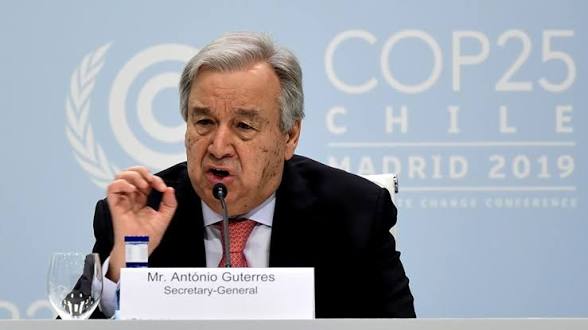
UN secretary-general Antonio Guterres has called on member states to honour their commitments under the Declaration on the Rights of Indigenous Peoples.
Mr Guterres made the call at the opening of the 25th session of the Permanent Forum on Indigenous Issues on Monday at the UN headquarters in New York.
No fewer than 1,000 participants are attending the latest session of UNPFII – the platform that has placed their concerns at the centre of international debate over the past 25 years.
“From the Amazon to Australia, and Africa to the Arctic, you are the great guardians of nature, a living library of biodiversity conservation, and champions of climate action,” Mr Guterres said.
According to him, the UN system and member states must ensure the full, meaningful, and direct participation of indigenous peoples at all levels, supported by adequate and sustained financing.
He called for societies everywhere to take immediate and concrete steps to protect indigenous peoples, their leaders, and human rights defenders – and to address the violence and risks they face.
The final area for action is to ensure that indigenous women and girls can participate meaningfully in decisions that affect their lives, as “their knowledge, leadership, and perspectives must shape the way forward”.
The secretary-general also underscored how their rights were inseparable from their lands, waters, languages, cultures, and ecosystems, stressing that when one is harmed, all are affected.
“This is especially true in the context of conflict, when displacement from ancestral lands, loss of livelihoods, food insecurity, destruction of sacred sites, and disruption of cultural traditions can put health at risk,” he said.
The secretary-general acknowledged indigenous peoples as “bearers of cultures, knowledge, and ways of life that have sustained humanity for thousands of years”.
Delegates – many wearing traditional clothing – convened in the General Assembly Hall where an Inuit leader from Canada, Aluki Kotierk, was re-elected chair of the forum by acclamation.
Although indigenous people make up six per cent of the global population, they account for nearly 19 per cent of those living in extreme poverty.
Communities still encounter discrimination, marginalisation and exclusion, and she highlighted the health inequities they face.
Regardless of where in the world they live, indigenous peoples experienced shorter life expectancy, increased likelihood of chronic illnesses and alarming suicide rates, she said.
“The degradation of indigenous peoples’ lands, territories, and waters directly contributes to these poor health outcomes,” she added, with communities reporting issues such as mercury contamination and climate change impacts.
NAN