







• About Us
  • Advertise With Us
  • Contact Us
  • Donate
Wednesday, September 23, 2026
Daily Intel Newspapers
  • Login
  • Welcome
  • Special reports
    • All
    • Unedited for the record
    Screenshot

    Jehovah Witness makes U-turn on blood transfusion, says members can now donate and be donated for

    images (40)

    National Assembly transmits 2026 constitution amendment bill to states, sets 30 days target

    Screenshot

    UK break-up: Chekwas Okorie defend Biafra agitators, calls for dialogue

    TB_transmission

    New tuberculosis vaccines to be available from 2029- Gavi 

    Screenshot

    UK may be heading for breakup after Scottish, Welsh, Irish meeting ends in affirmation

    uk-pm--andy-burnham-201346595-16x9

    Scotland, Wales, Northern Ireland leaders meet on Monday to discuss UK breakup

  • Metro News
    Buy-A-Car-And-Pay-In-Monthly-Installment-Guide-In-Nigeria

    Wike ban use of green areas in FCT as car dealers stand

    IMG-20260613-WA0004

    Court convict motorist for assaulting FRSC mashal, dangerous driving in Abuja

    6953820_everytaxiinabujamustbeairconditionedbyoctoberfctalailasnews3600x300_jpeg46064d76500186bd9ed8eedee28ff7f4

    Tinubu’s harsh economic policies pushing us into cab driving- Abuja civil servants

    FCT NAWOJ demands justice for women

    FCT NAWOJ demands justice for women

    FCT suspends riders, drivers  levy over multiple taxation complaints

    FCT suspends riders, drivers levy over multiple taxation complaints

    Wike nullifies 485 R of O applications over fake allocation papers

    Wike nullifies 485 R of O applications over fake allocation papers

  • Latest News
    • All
    • Crime watch
    images (49)

    Osun Assembly approves state police bill

    Screenshot

    2027: NDC move to defend votes, begins mobilisation of polling agents nationwide 

    images (48)

    Nigeria’s North-West stability crucial to West Africa, Sahel, says UN

    images (20)

    2027 elections: Tinubu halts planned electricity tariff increase, leaves option on the table

    Screenshot

    Iran airlines to be ‘shut down’ globally Sept 23 – US Treasury chief

    images (47)

    Canada, UK, three others reject Russia’s elections in occupied Ukraine

    Trending Tags

  • Infotech
    ae4a9a74-jamb-center

    Kano govt launches N27.8bn ICT, CBT project to take digital exams to grassroots

    images (31)

    NASENI to empower women, youths through capacity-building orogrammes in Kano

    smart-tv

    FG unveils freeTV with over 100 free channels

    Nigerian-telecom

    No excuse for poor network delivery, FG tells telecom Operators

    Amazon turns to artificial intelligence after cutting 16,000 jobs.

    Amazon turns to artificial intelligence after cutting 16,000 jobs.

    Cyber attack disrupts European airports

    Cyber attack disrupts European airports

  • World conflict & diplomacy
    Screenshot

    US slams visa restrictions on South Africa nationals, citing land seizures, racial policies

    images (31)

    Saudi Arabia shuts key oil pipeline after Iraqi drone attack

    images (28)

    Spanish lawmakers back law granting citizenship to Western Saharans

    images (25)

    Israel asks Britain to close East Jerusalem consulate within 30 days

    images (15)

    US strikes Iran for first time in a month

    AFP__20260801__C3QK8ZU__v1__MidRes__UkraineRussiaConflictWar-768x512

    Russia denies using Colombian mercenaries in Ukraine war

  • Africa
    images (48)

    Nigeria’s North-West stability crucial to West Africa, Sahel, says UN

    Screenshot

    DR Congo school fire stampede death toll rises to 26 – UNICEF

    Screenshot

    Burundians rush to leave Kenya after crackdown on businesses

    images (12)

    Ebola: Teachers, parents fear school reopening in eastern DRC

    images (11)

    US set to withdraw 200 troops from Nigeria- report

    images (5)

    Amnesty International challenge Imo govt on secret movement of bodies from mortuaries to unknown destination

No Result
View All Result
  • Welcome
  • Special reports
    • All
    • Unedited for the record
    Screenshot

    Jehovah Witness makes U-turn on blood transfusion, says members can now donate and be donated for

    images (40)

    National Assembly transmits 2026 constitution amendment bill to states, sets 30 days target

    Screenshot

    UK break-up: Chekwas Okorie defend Biafra agitators, calls for dialogue

    TB_transmission

    New tuberculosis vaccines to be available from 2029- Gavi 

    Screenshot

    UK may be heading for breakup after Scottish, Welsh, Irish meeting ends in affirmation

    uk-pm--andy-burnham-201346595-16x9

    Scotland, Wales, Northern Ireland leaders meet on Monday to discuss UK breakup

  • Metro News
    Buy-A-Car-And-Pay-In-Monthly-Installment-Guide-In-Nigeria

    Wike ban use of green areas in FCT as car dealers stand

    IMG-20260613-WA0004

    Court convict motorist for assaulting FRSC mashal, dangerous driving in Abuja

    6953820_everytaxiinabujamustbeairconditionedbyoctoberfctalailasnews3600x300_jpeg46064d76500186bd9ed8eedee28ff7f4

    Tinubu’s harsh economic policies pushing us into cab driving- Abuja civil servants

    FCT NAWOJ demands justice for women

    FCT NAWOJ demands justice for women

    FCT suspends riders, drivers  levy over multiple taxation complaints

    FCT suspends riders, drivers levy over multiple taxation complaints

    Wike nullifies 485 R of O applications over fake allocation papers

    Wike nullifies 485 R of O applications over fake allocation papers

  • Latest News
    • All
    • Crime watch
    images (49)

    Osun Assembly approves state police bill

    Screenshot

    2027: NDC move to defend votes, begins mobilisation of polling agents nationwide 

    images (48)

    Nigeria’s North-West stability crucial to West Africa, Sahel, says UN

    images (20)

    2027 elections: Tinubu halts planned electricity tariff increase, leaves option on the table

    Screenshot

    Iran airlines to be ‘shut down’ globally Sept 23 – US Treasury chief

    images (47)

    Canada, UK, three others reject Russia’s elections in occupied Ukraine

    Trending Tags

  • Infotech
    ae4a9a74-jamb-center

    Kano govt launches N27.8bn ICT, CBT project to take digital exams to grassroots

    images (31)

    NASENI to empower women, youths through capacity-building orogrammes in Kano

    smart-tv

    FG unveils freeTV with over 100 free channels

    Nigerian-telecom

    No excuse for poor network delivery, FG tells telecom Operators

    Amazon turns to artificial intelligence after cutting 16,000 jobs.

    Amazon turns to artificial intelligence after cutting 16,000 jobs.

    Cyber attack disrupts European airports

    Cyber attack disrupts European airports

  • World conflict & diplomacy
    Screenshot

    US slams visa restrictions on South Africa nationals, citing land seizures, racial policies

    images (31)

    Saudi Arabia shuts key oil pipeline after Iraqi drone attack

    images (28)

    Spanish lawmakers back law granting citizenship to Western Saharans

    images (25)

    Israel asks Britain to close East Jerusalem consulate within 30 days

    images (15)

    US strikes Iran for first time in a month

    AFP__20260801__C3QK8ZU__v1__MidRes__UkraineRussiaConflictWar-768x512

    Russia denies using Colombian mercenaries in Ukraine war

  • Africa
    images (48)

    Nigeria’s North-West stability crucial to West Africa, Sahel, says UN

    Screenshot

    DR Congo school fire stampede death toll rises to 26 – UNICEF

    Screenshot

    Burundians rush to leave Kenya after crackdown on businesses

    images (12)

    Ebola: Teachers, parents fear school reopening in eastern DRC

    images (11)

    US set to withdraw 200 troops from Nigeria- report

    images (5)

    Amnesty International challenge Imo govt on secret movement of bodies from mortuaries to unknown destination

No Result
View All Result
Daily Intel Newspapers
No Result
View All Result
Home Opinion

Nigeria’s man-made darkness: Corruption, grid failure, and why the government must adopt renewable energy | By Daniel Nduka Okonkwo

Daily Intel Newspaper by Daily Intel Newspaper
February 24, 2026
Nigeria’s man-made darkness: Corruption, grid failure, and why the government must adopt renewable energy | By Daniel Nduka Okonkwo
Share on FacebookShare on TwitterChat With Us Live

Nigeria’s electricity sector stands as one of the country’s most glaring failures, an endless source of frustration that has crippled lives and businesses for decades. Despite its vast potential, the sector has never delivered reliable power. Instead, Nigerians are trapped in a cycle of chronic shortages, frequent national grid collapses, and decaying infrastructure. Blackouts are not occasional inconveniences. They are a daily reality.

Distribution companies, long accused of rejecting available electricity load, routinely fail to deliver power to consumers. Their continued reliance on inefficient and often unmetered billing systems has entrenched widespread overcharging, leaving households and businesses paying rising tariffs for electricity they scarcely receive. For millions, power supply translates into only a few unpredictable hours of electricity each day.

The consequences are severe and far-reaching. Businesses face soaring operating costs, productivity declines, and perishable goods are routinely lost. Families and companies alike are forced to rely on generators, expensive and polluting machines that fill the air with fumes and blanket neighbourhoods in relentless noise. What should be a basic public utility has instead become a costly private burden, throttling economic growth and undermining national competitiveness.

This is more than inefficiency. It represents a profound failure of governance. Nigeria’s electricity sector has left its citizens in darkness, both literally and economically, constraining opportunity, suppressing innovation, and weakening public confidence in public institutions.

Across the country, communities report that electricity officials frequently demand unofficial payments before undertaking even routine repairs. Consumers who already pay some of the highest electricity tariffs in Africa are often forced to contribute money for transformers, cables, poles, and other essential equipment needed to restore supply. This practice has created what many Nigerians describe as a system of double payment, first through official tariffs, and again through informal charges. Infrastructure maintenance, a core responsibility of service providers, has effectively been transferred to consumers.

For millions of Nigerians, access to electricity has become a daily negotiation shaped by outages, informal payments, and institutional failure. The crisis engulfing the power sector reflects deeper structural weaknesses that have eroded public trust and constrained economic development in Africa’s largest economy.

Despite the passage of the Electricity Act, which was intended to decentralize power and improve efficiency, conditions on the ground have changed little. While authorities maintain that privatization shifted responsibility to private operators, ordinary Nigerians continue to bear the costs of a failing system.

At its core, Nigeria’s electricity crisis is defined by a vast and persistent supply gap. Although the country has more than 13,000 megawatts of installed generation capacity, actual output typically ranges between 4,000 and 5,000 megawatts, a level that is grossly insufficient for a population exceeding 200 million people. More than three-quarters of Nigeria’s electricity is generated from gas, leaving the system highly exposed to fuel supply disruptions, payment disputes, and pipeline vandalism.

Repeated national grid collapses, including multiple failures recorded in 2025 and early 2026, have further exposed the fragility of the system. Aging transmission infrastructure, chronic underinvestment, mounting debt across the electricity value chain, and widespread energy theft have compounded the crisis. These weaknesses reinforce one another, as failures in transmission undermine generation, while inefficiencies in distribution prevent electricity from reaching consumers even when it is available. As a result, an estimated 55 percent of Nigerians lack reliable access to grid electricity.

Nigeria’s electricity crisis persists despite decades of extraordinary public spending. Under former President Olusegun Obasanjo, between 13.8 billion and 16 billion dollars was reportedly invested in power sector projects, including roughly 10 billion dollars on the National Integrated Power Project. Subsequent administrations continued heavy spending, with trillions of naira committed under Presidents Umaru Musa Yar’Adua and Goodluck Jonathan. During the Muhammadu Buhari administration, more than 1.164 trillion naira was released between 2011 and 2018, while total federal intervention since privatization in 2013 is estimated to have exceeded 7 trillion naira. Yet electricity supply has seen little meaningful improvement.

Government officials now estimate that Nigeria requires at least 10 billion dollars annually for the next two decades to build a stable and functional electricity system. While Nigeria struggles, other developing countries are investing aggressively in energy expansion and diversification. India invested approximately 150 billion dollars in energy in 2025, including more than 100 billion dollars in clean energy, with a population of approximately 1.476 billion. The Philippines committed 24 billion dollars to renewable energy expansion in 2024, while Egypt is investing 10 billion dollars in a massive wind project alongside major solar developments. These investments are strengthening energy security, lowering long-term costs, and supporting economic growth.

Nigeria, by contrast, continues to struggle to provide consistent electricity. Energy experts increasingly argue that renewable energy offers Nigeria its most realistic path out of crisis. Solar and wind power can be deployed faster, operate at lower long-term cost, and avoid dependence on volatile fuel supply chains. Nigeria possesses exceptional solar potential, with an estimated capacity of 210 gigawatts. Installed solar capacity has expanded rapidly, reaching approximately 1.19 gigawatts by 2025, driven largely by off-grid systems, mini grids, and private installations.

The country has pledged to generate 30 percent of its electricity from renewable sources by 2030 and achieve net zero emissions by 2060. A full transition to renewable energy could deliver transformative economic benefits, including massive financial savings, job creation, expanded electricity access for tens of millions of Nigerians, and reduced dependence on costly diesel generation. Solar power is already proving more economical than extending centralized grid infrastructure to many rural and underserved communities.

Nigeria also faces growing climate threats, including flooding, drought, and extreme weather. Expanding renewable energy would not only reduce emissions but also strengthen economic resilience and reduce long-term vulnerability. Reliable electricity remains essential for industrialization, healthcare, education, and national development. Without it, businesses remain trapped in a cycle of high costs and low productivity.

Nigeria’s electricity crisis is not caused by a lack of resources. It is the product of governance failure. Corruption, policy inconsistency, weak regulation, and poor accountability have undermined decades of investment. The widespread expectation of unofficial payments reflects a deeper institutional breakdown. This is not simply a technical failure. It is systemic failure. Electricity is not a luxury. It is a fundamental public obligation.

Nigeria now faces a defining choice. It can continue investing vast sums into a centralized system that has repeatedly failed, or it can accelerate the transition toward decentralized renewable energy and build a modern electricity system capable of supporting national development. The rapid expansion of solar power demonstrates that change is possible. What remains uncertain is whether the political will exists to deliver it. Until that happens, millions of Nigerians will continue to live in darkness, not because of technological limitations, but because of human decisions.

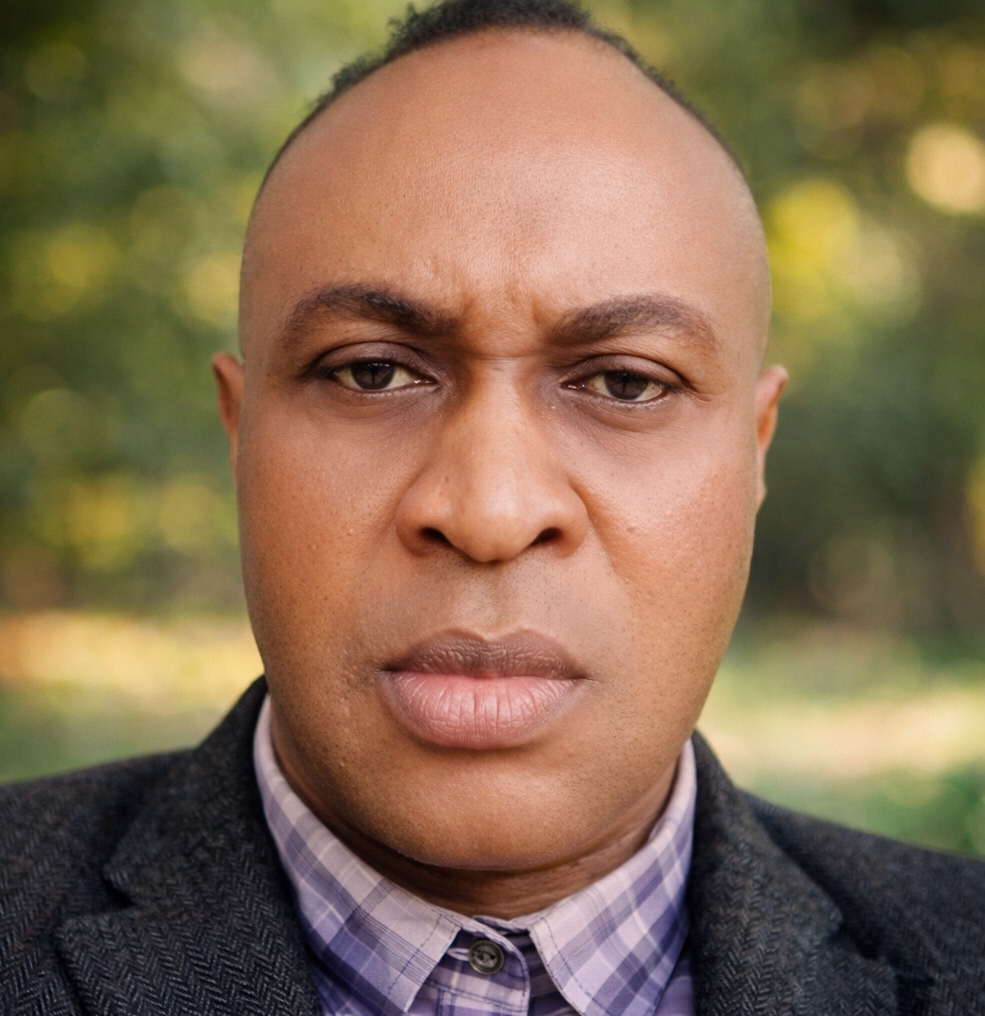
Daniel Nduka Okonkwo is a Nigerian investigative journalist, publisher of Profiles International Human Rights Advocate, and policy analyst whose work focuses on governance, institutional accountability, and political power. He is also a human rights activist, human rights advocate, and human rights journalist. His reporting and analysis have appeared in Sahara Reporters, African Defence Forum, Daily Intel Newspapers, Opinion Nigeria, African Angle, and other international media platforms. He writes from Nigeria and can be reached at dan.okonkwo.73@gmail.com.
Share189Tweet118SendShare
Support Us Support Us Support Us
Daily Intel Newspaper

Daily Intel Newspaper

Next Post
FG confirms IGP Egbetokun removal

FG confirms IGP Egbetokun removal

Leave a Reply Cancel reply

Your email address will not be published. Required fields are marked *

POPULAR POST

  • JUST IN: Tinubu directs Civil Defence to take over the protection of VIPs, orders withdrawal of police personnel 

    How Tinubu’s administration paid billions of naira for the release of Niger State kidnapped schoolchildren

    883 shares
    Share 353 Tweet 221
  • CBN gives Moniepoint, OPay, others go ahead to onboard new customers

    816 shares
    Share 326 Tweet 204
  • National Academy of Sciences endorses embryonic engineering

    671 shares
    Share 268 Tweet 168
  • South-East importers, exporters threaten strike over Nigerian Shippers’ Council’s 200% rates hike

    654 shares
    Share 262 Tweet 164
  • BREAKING: President Tinubu approves the reappointment of Adaji as DG of NBC

    645 shares
    Share 258 Tweet 161

STAY CONNECTED

Follow Us

Categories

  • Africa
  • Aviation
  • Business
  • Citizen reporter
  • Corruption
  • Crime watch
  • Culture
  • Document
  • Education
  • Entertainment
  • Exclusive
  • Featured
  • Finance & economy
  • Foreign News
  • Health
  • Human rights & the people
  • Infotech
  • Interviews
  • Investigation
  • Judiciary
  • Latest News
  • Maritime
  • Metro News
  • News
  • Oil & gas
  • Opinion
  • Politics
  • Promoted
  • Science & Technology
  • Special reports
  • Special updates
  • Sports
  • Unedited for the record
  • World conflict & diplomacy

LATEST NEWS

IMG-20260826-WA0007

Public universities are pricing out the poor: Education risks becoming a privilege of the super-rich

September 22, 2026
images (49)

Osun Assembly approves state police bill

September 22, 2026
  • About Us
  • Advertise With Us
  • Contact Us
  • Donate

© 2025 All Rights Reserved Daily Intel Newspapers

No Result
View All Result
  • Home
  • Special reports
  • Special updates
  • World conflict & diplomacy
  • Infotech
  • Metro News
  • Latest News
    • Human rights & the people
    • Unedited for the record
    • Judiciary
  • Finance & economy
  • Exclusive
  • Africa
  • Document
  • Education
  • Entertainment
  • Infotech
  • Investigation
  • Science & Technology
  • Aviation
  • Sports
  • Business
  • Culture
  • Finance & economy
  • Foreign News
  • Health
  • Corruption
  • Promoted
  • Crime watch

© 2025 All Rights Reserved Daily Intel Newspapers

Welcome Back!

Login to your account below

Forgotten Password?

Retrieve your password

Please enter your username or email address to reset your password.

Log In